

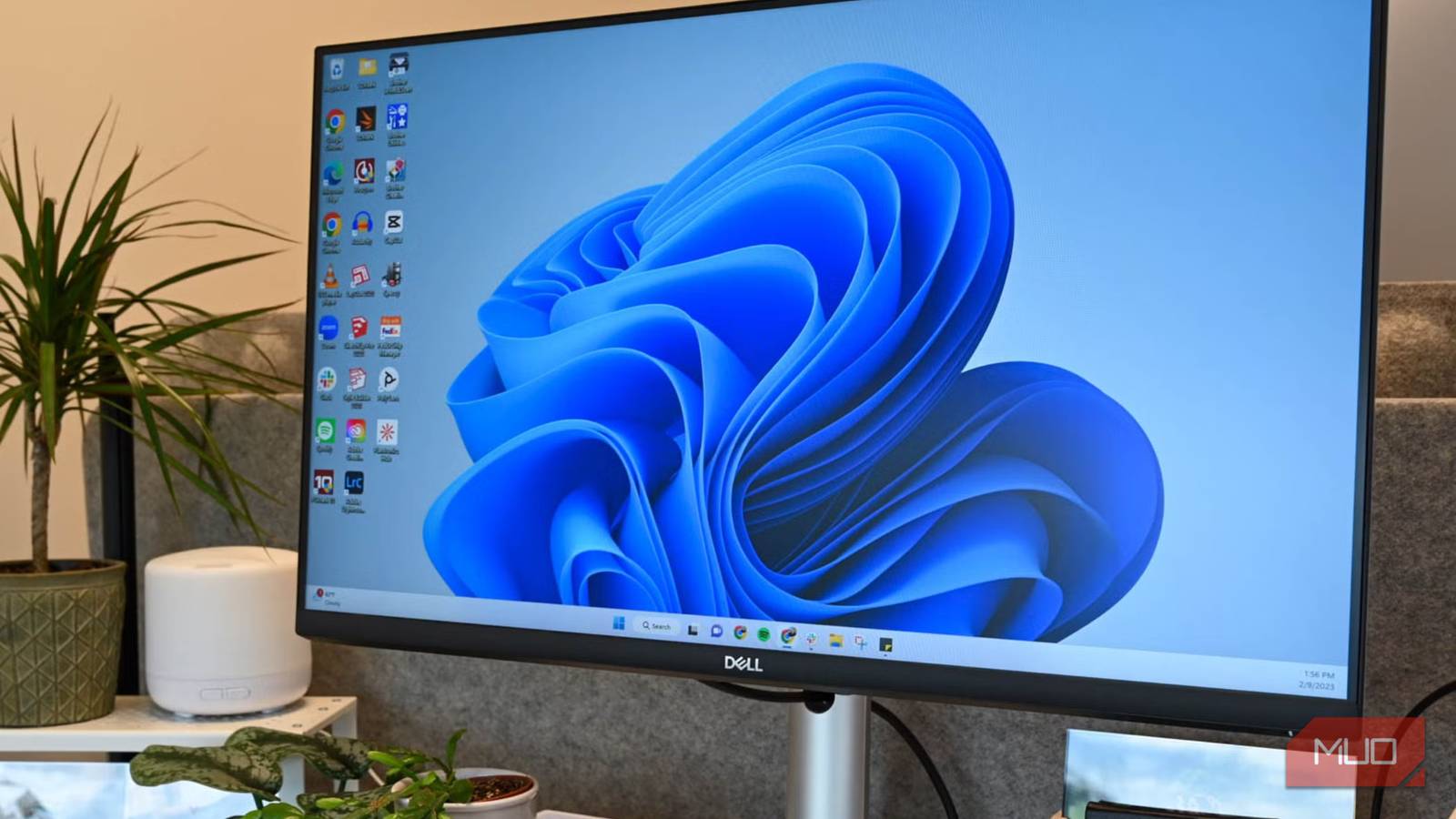
A Windows PC comes with a surprising number of apps. Some of these are absolutely essential, like Photos, File Explorer, Media Player, and so on. But among them, you’ll also find a mix of apps from Microsoft, your PC manufacturer, and various third-party partners. Of course, most of these apps are not critical to Windows at all.
Even if you don’t touch these apps, they can cause more problems than you realize. They can slow down your system, annoy you with pop-ups, and even pose a security risk. All of this makes removing bloatware the smartest thing you can do right after setting up your PC.
Better performance and more storage
Speed gains and storage you can actually use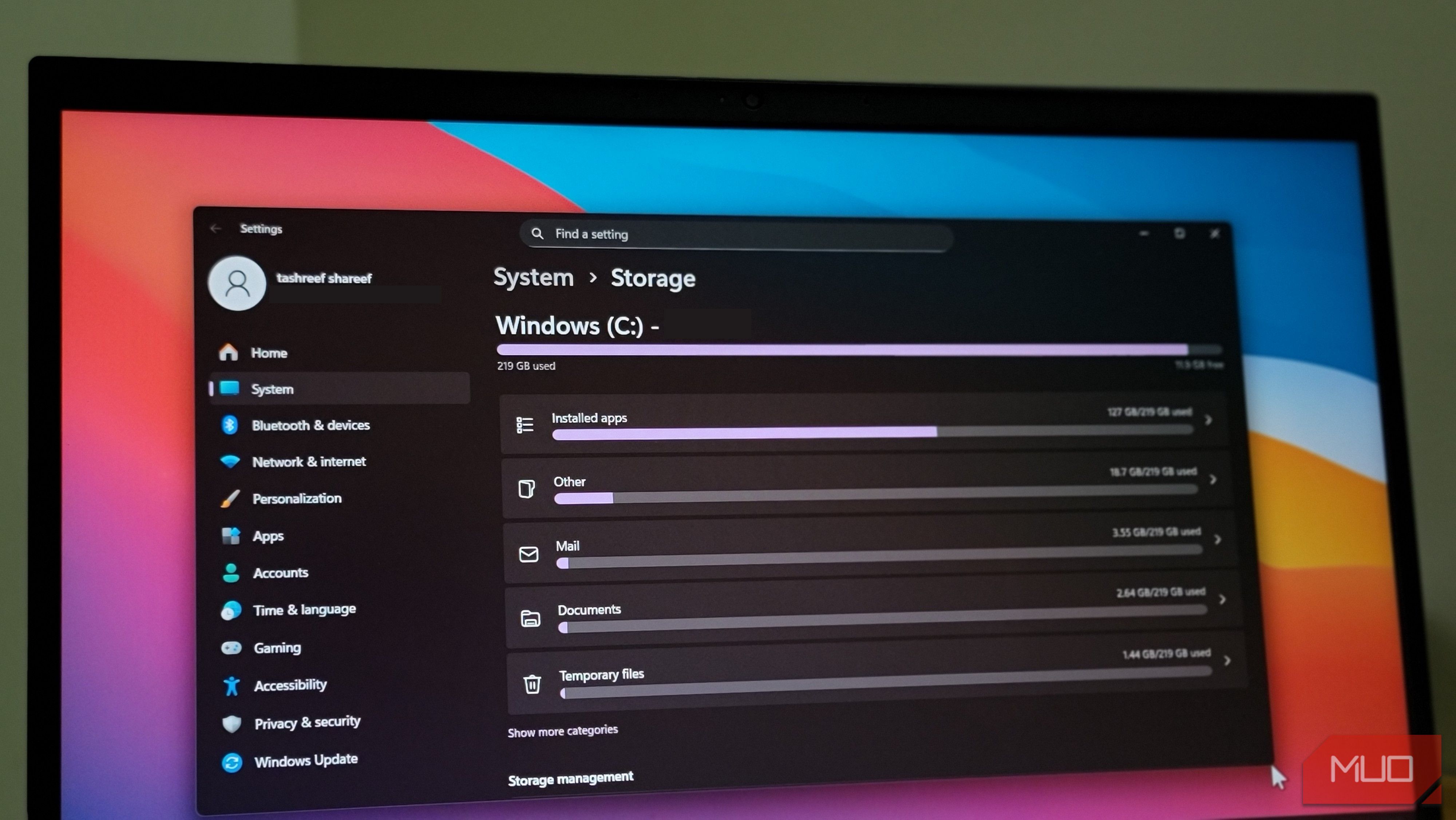
One of the biggest reasons to get rid of bloatware is better performance. If you’ve ever bought a new PC and noticed it feeling sluggish within the first week, it’s likely due to bloatware. Those preinstalled apps don’t just sit on the drive. Most of them are also configured to run in the background the moment your PC starts.
That constant background activity adds up. These pre-installed apps use the internet, drain battery life, and eat into your system resources. Some even affect your PC’s boot time. And the worst part is that all of this happens even if you never open those apps yourself.
Removing bloatware puts a stop to all of that. With fewer background processes and apps, your PC can allocate more resources to the apps you actually use. It’s one of the safest ways to make your PC run fast without spending money on new hardware.
Storage is another big win. Preinstalled apps, trial software, and bundled utilities may not look large on their own, but together they can take up several gigabytes of space. And on laptops with smaller SSDs, every gigabyte counts. Clearing those unwanted apps is an easy way to free up that storage.
Fewer pop-ups and a cleaner Windows experience
Say goodbye to nagging alerts and clutter

Another reason to remove bloatware is the peace and quiet it brings. Most pre-installed apps on Windows exist because of partnerships between the app developers and Microsoft or PC manufacturers. Because of this, these apps are often allowed to show pop-ups, reminders, upgrade prompts, and promotional notifications by default.
My Lenovo laptop came with a 30-day McAfee free trial, and once that ended, I kept getting pop-ups saying things like “My PC is at risk” and “Your virus protection has expired.” These messages were alarming, but misleading. The truth is that most Windows users don’t need a third-party antivirus program at all, because Windows Security already provides solid, built-in protection.
Similarly, apps from PC manufacturers ask you to register your device, create accounts, or buy extended warranties. And this behavior is not limited to paid software. Apps that are free send notifications purely to grab attention.
Removing bloatware cuts off these distractions once and for all. With fewer apps, you only get important alerts, the Start menu looks cleaner, and your overall Windows experience feels calmer.
Better privacy and no unexpected issues
More control over your data

Bloatware doesn’t just slow down your PC or clutter your PC. It’s also a potential threat to your privacy. Some of the pre-installed apps, especially those from Microsoft and PC manufacturers, can collect data in the background. This can include usage statistics, system information, and diagnostic details. While some data is collected to improve performance, it can also be used for personalized advertising.
Finally, there’s also the issue of unexpected system problems. And when I say unexpected, I mean it. For instance, a Reddit user reported internet speed issues caused by a pre-installed utility called Intel Killer Performance Suite. It’s essentially an app that prioritizes network activities on its own so you get the best connection while gaming or streaming. Instead, it ended up causing network slowdowns and instability for the user.
The worst part is problems like these are incredibly hard to diagnose. You can spend hours trying different troubleshooting tricks without any success, all because a pre-installed tool is managing your network without asking.

I removed every ad from Windows 11 and it only took 6 steps
Turned off all built-in ads across Windows 11.
Removing bloatware isn’t that difficult
It’s a one-time thing
Windows 11 certainly doesn’t make it easy to get rid of bloatware. Most of these can’t be removed from the Settings app or Control Panel, which makes the whole process intimidating. But that doesn’t mean you have to run complex PowerShell commands.
You can download a tool like Win11Debloat to delete all bloatware in seconds. It automates the process and takes care of apps that are otherwise annoying to deal with. If you want more control, a third-party tool like Sparkle is a better fit. Instead of removing everything at once, this tool lets you pick which apps you want gone.
Removing bloatware is one of the best things you could do to improve your Windows experience. Of course, not every “bloat” is bad, so make sure to try those pre-installed apps once before pulling the trigger.
