

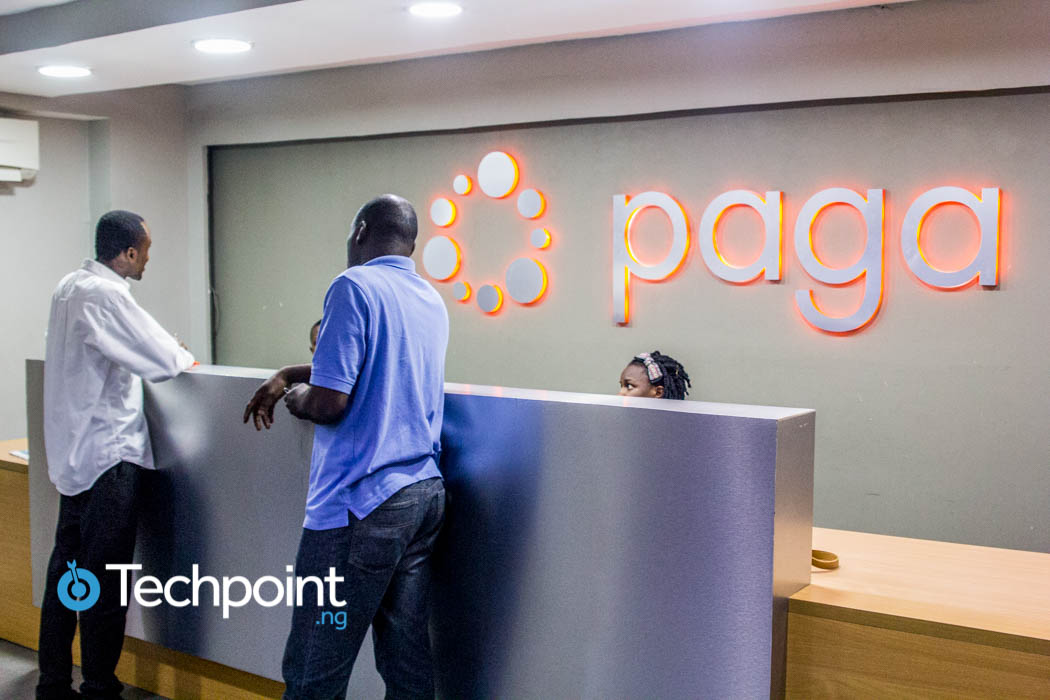
After nearly two decades of excluding Nigerians from its platform, PayPal is back, this time through a partnership with Nigerian fintech Paga. The partnership allows Paga users to link their wallets to PayPal accounts and withdraw funds in naira. Businesses are not left out either.
“The next phase is opening this up fully on our merchant business accounts, so businesses can accept PayPal directly on our gateways and handle larger business-sized transactions,” Paga CEO Tayo Oviosu told TechCabal.
On the surface, the announcement appears to be a straightforward expansion play. Underneath it, however, sits a more complicated mix of history, sentiment, and economic necessity.
Public reaction to the partnership has been mixed. Older millennials, particularly freelancers, developers, and online merchants, remember a time when PayPal represented the most reliable way to get paid by foreign clients, only for Nigerians to be abruptly locked out.
That decision forced many into often unreliable workarounds, dependence on middlemen, or, in some cases, losing out on opportunities altogether. That memory still stings.
But there is also a younger demographic — digital natives who have little or no recollection of that period. For them, global access has always felt more normal, thanks to the work done by local fintechs like Flutterwave, Paystack, and, more recently, Grey and Raenest. To this group, PayPal is just another payment option, not a symbol of exclusion.
This generational split matters because while sentiment around PayPal is real, it is uneven and often loudest among people who are no longer representative of the fastest-growing segment of Nigeria’s digital economy. The timing of PayPal’s return is also telling.
The fintech is re-entering the market just as digital payments and eCommerce activity across Africa is accelerating. According to the World Bank, digital payments have been one of the fastest-growing segments of financial services in sub-Saharan Africa, while GSMA data shows that mobile money transactions in the region now run into hundreds of billions of dollars annually. Nigeria, despite its regulatory complexity, remains too large and too active to ignore.
PayPal’s intentions were made clear by Otto Williams, Senior Vice President, Regional Head, and General Manager for the Middle East and Africa.

Victoria Fakiya – Senior Writer
Techpoint Digest
Make your startup impossible to overlook
Discover the proven system to pitch your startup to the media, and finally get noticed.
“We expect to add more users over time based on the needs of Nigerian users. Our focus is to deliver access that is secure, compliant, and relevant to local realities rather than simply replicating a global template,” Williams said.
In that sense, Paga offers PayPal something crucial: stability and derisking. When PayPal previously cut ties with several African countries, fraud and compliance concerns were central to the decision.
Since then, Nigeria’s digital payments ecosystem has matured significantly. Local players are not just building rails to move money; they are also building compliance systems and risk engines. PayPal’s second coming, then, is in many ways a validation of the efforts of local players.
When sentiment doesn’t pay the bills
Nigerians’ lingering resentment toward PayPal makes for a compelling story, but it is not the most important one here. The more useful lens for understanding Paga’s PayPal partnership is economics.
Over the past two years, Nigerian startups have learnt that growth in naira terms no longer translates to progress in dollar terms. A business can double users, expand transaction volume, and post record naira revenues, yet appear stagnant or worse when those numbers are converted to dollars.
In 2022, ₦425 million roughly equalled $1 million. Today, it takes nearly four times that amount to reach the same figure. For investors who wrote cheques in dollars, this erosion frequently trumps local growth narratives.
This dynamic has reshaped incentives across the ecosystem. Dollar revenue is no longer a “nice to have”; it is a way to preserve the real value of a business over time. It makes reporting to dollar-based investors easier, protects perceived momentum, and prevents companies from looking like they are running in place despite genuine local traction.
Consequently, companies have responded by launching products or expanding into markets where they can earn in dollars. These offerings are rarely expected to overtake local operations in volume, but they help shore up balance sheets and reduce exposure to the naira’s volatility.
Seen through this lens, the PayPal partnership is less puzzling. Paga’s US banking product, launched in 2025, targets the African diaspora; PayPal targets global buyers.
Cross-border payments remain unresolved for Nigerians, especially for one-off transactions, micro-payments, and small businesses dealing with international clients. While alternatives like Flutterwave, Grey, or Raenest exist, none matches PayPal’s reach or default status in the United States.
This matters because the payment option a startup offers is significantly influenced by what best serves its users. Clients, marketplaces, and platforms do. PayPal remains deeply embedded in global commerce, trusted by users, and often the only option some buyers are willing to use. If a US client insists on PayPal, the existence of ideal alternatives becomes irrelevant.
So while there may be history and emotion, Paga’s CEO has said he approached PayPal over a decade ago. The partnership’s logic today goes beyond that.
In a world where capital is dollar-denominated and currencies are not treated equally, Nigerian startups cannot afford to optimise for feelings.
