

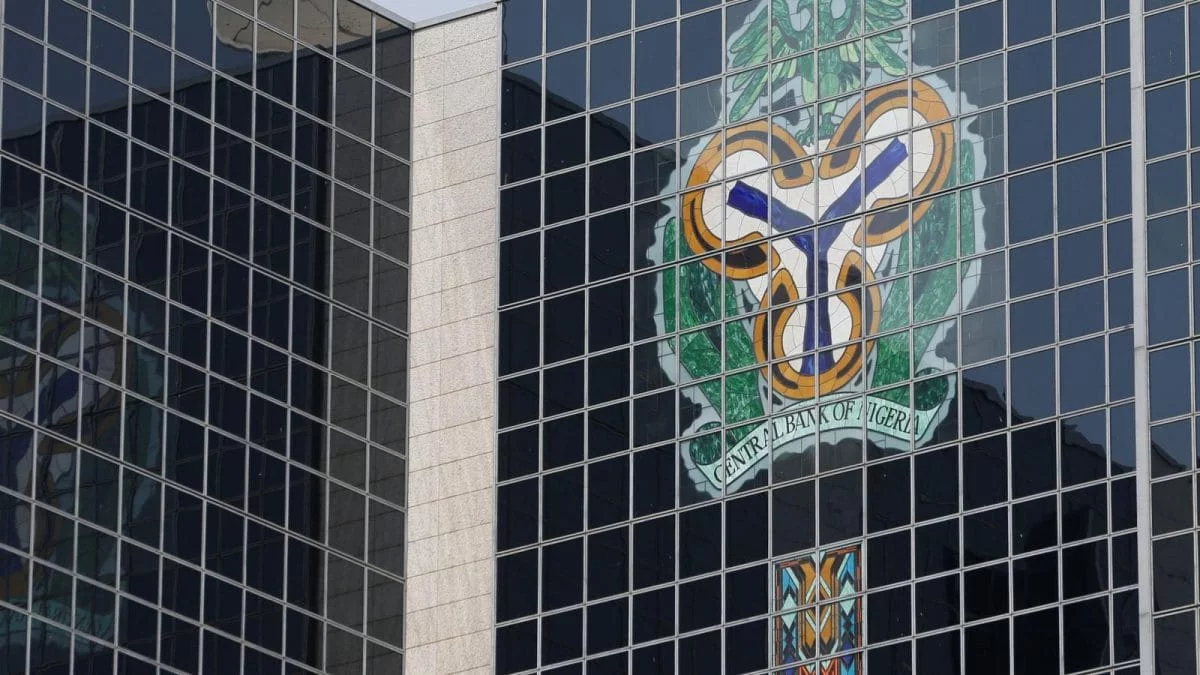
Only 20 of Nigeria’s 33 deposit money banks have met the Central Bank of Nigeria’s (CBN) new minimum capital requirements less than a month before the March 31, 2026, deadline, CBN governor Olayemi Cardoso said.
“Of the 33 banks that have raised additional capital, 20 have met the new minimum capital requirements, reaffirming the steady progress towards a more robust capitalised financial system,” he said during the Monetary Policy Committee (MPC) briefing on Tuesday.
His comments come as Nigeria’s most ambitious banking recapitalisation drive in nearly two decades enters its final stretch, with lagging lenders facing shrinking options ahead of the March deadline.
The recapitalisation exercise, first announced in 2024, is meant to strengthen banks’ balance sheets amid rising inflation, currency volatility, and growing credit risks, while positioning lenders to finance Nigeria’s long-term ambition of becoming a $1 trillion economy.
The CBN also expects stronger capital buffers to restore investor confidence, absorb unexpected shocks, and improve financial system stability following years of macroeconomic pressure.
Under the new regime, banks must meet minimum paid-up capital based on their operating licences: international banks to ₦500 billion ($370.58 million), national banks to ₦200 billion ($148.23 million), regional banks to ₦50 billion ($37.06 million), merchant banks to ₦50 billion ($37.06 million), non-interest banks with national authorisation to ₦20 billion ($14.82 million), and non-interest banks with regional authorisation to ₦10 billion ($7.41 million).
A recent report by S&P Global Ratings, an international credit rating agency, shows that most of Nigeria’s largest lenders have already crossed the regulatory threshold.
According to the rating agency, nine of the 10 rated commercial banks, which together account for roughly 80% of total banking system assets, already meet the new capital requirements. The banks collectively raised about ₦2.3 trillion ($1.71 billion) in fresh capital during 2025.
“We anticipate that some smaller banks may explore options such as mergers or business model adjustments to ensure compliance with the new capital requirements,” S&P said.
Although the CBN did not disclose which lenders have fully complied, several tier-one banks, including Guaranty Trust Holding Company Plc (GTCO), have publicly announced successful capital raises.
With the deadline approaching, attention is now shifting toward smaller and mid-tier lenders that may still be weighing consolidation or strategic partnerships to meet the requirement. Unity Bank Plc and Providus Bank Limited recently announced that their proposed merger is nearing completion, with the combined entity’s capital base surpassing ₦200 billion ($148.23 million).
