

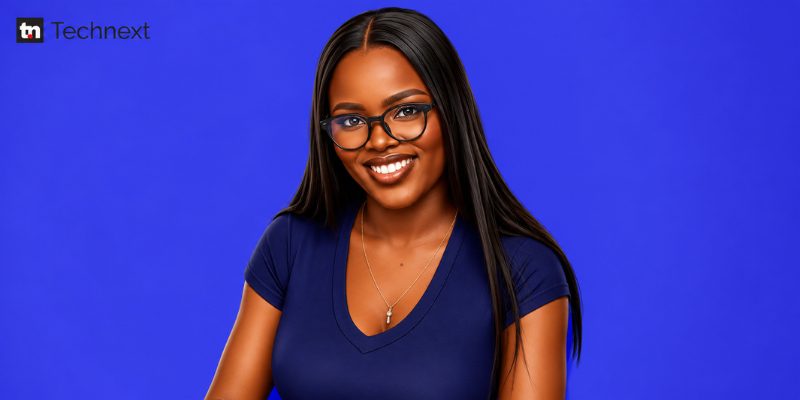
The tech industry is vast, fast-evolving, and filled with specialised career paths, but few are as quietly essential as software quality assurance. This is a critical niche dedicated to testing, refining, and safeguarding digital products before they reach the public.
Behind every seamless app, smooth transaction, and glitch-free digital experience is a software quality assurance professional ensuring that technology performs exactly the way users expect.
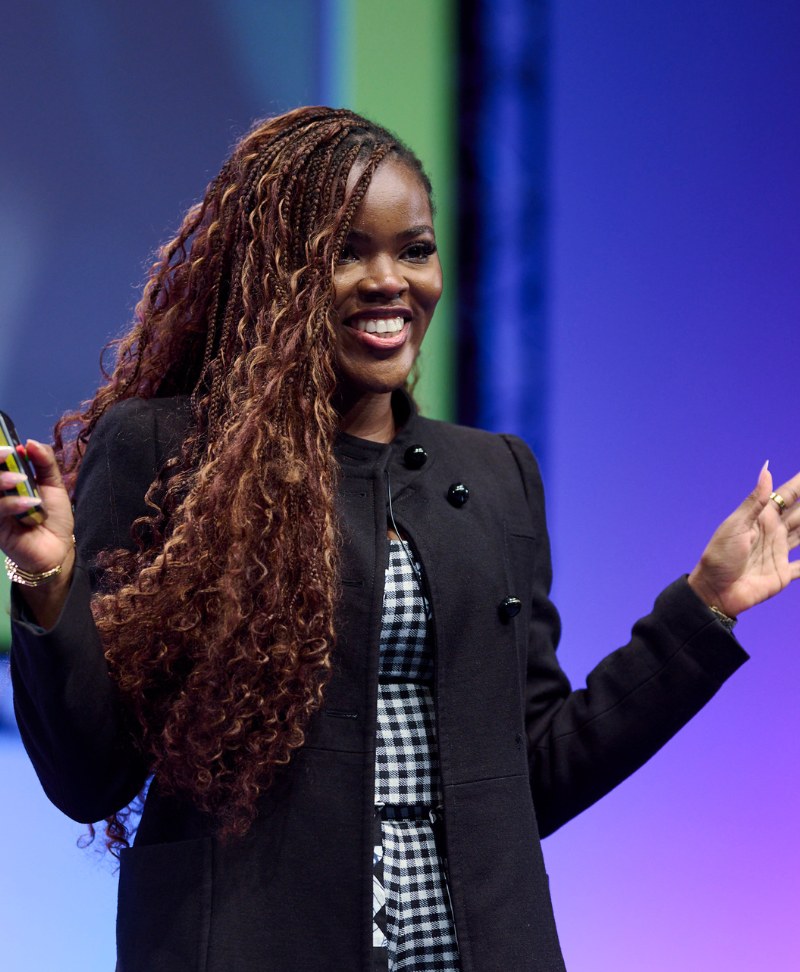
Today’s Tech Trivia spotlights Abiola Rasaq, a software quality assurance leader and founder of The Bug Detective (TBD), a QA-as-a-Service company and a global community of nearly a thousand testers.
With almost a decade of experience across fintech, startups, and international tech companies, Abiola has helped teams in Africa and beyond deliver reliable products used by millions.
Through her work across communities, conferences, trainings, and social media, Abiola has also trained and mentored over 2,500 testers across 15+ countries, reaching a growing global audience of hundreds of thousands and helping many launch successful careers in tech.
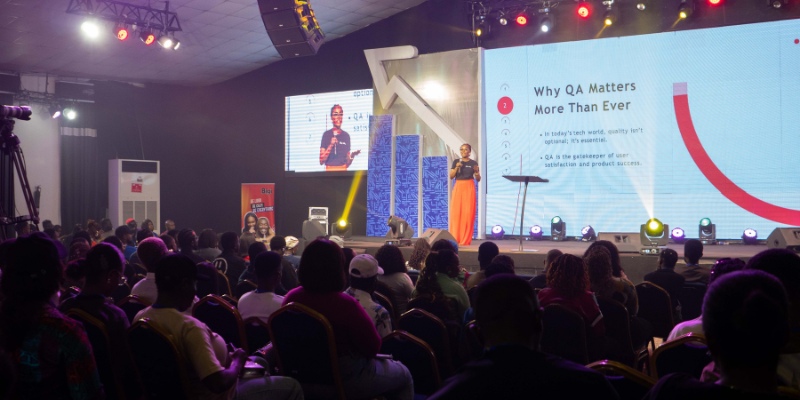
Her work sits at a unique intersection: a background in International Relations and History, grounding her in diplomacy, foreign policy, and state relations, combined with years on the ground working with African tech companies and startups.
This informs her growing focus on African tech policy and governance, where she shares thoughts and advocates for frameworks that reflect the realities of building and scaling technology on the continent.
In 2023, she pioneered Test Festival, Africa’s first large-scale QA conference, and founded the Women in Software Testing Initiative to connect and empower women in tech.
She also runs the Career Mapping Program, helping people move beyond vague goals to build focused, executable career plans tailored to what actually works for them, and SPEAK, a two-week workshop for anyone looking to communicate with confidence, whether at work, on stage, in business, or in their career.
Abiola’s work has earned her recognition as Africa’s Foremost QA Advocate by This Day News, QA Analyst of the Year by NoCode Tech, QA Leader of the Year by Scandium, and a place among Tunga’s 50 Women in Tech and Unorthodox Digital’s Top 30 Influential Women in Tech.
She has spoken on global stages, including EuroSTAR, SeleniumConf, and TEDx, and continues to lead conversations that put quality at the heart of technology.
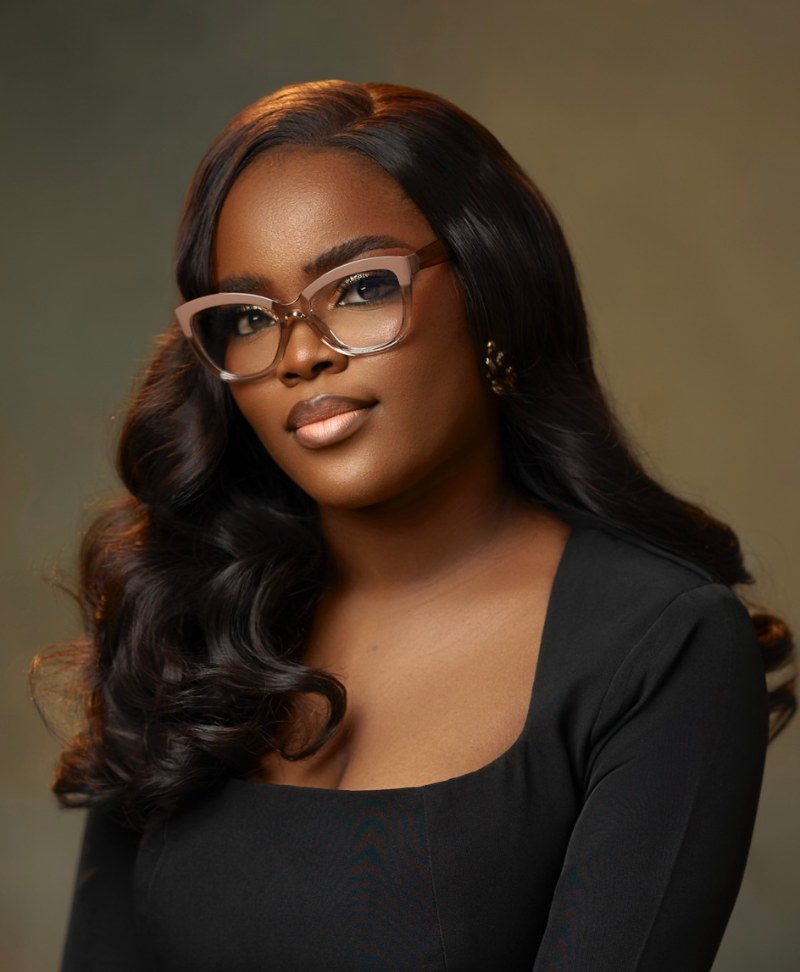
1. Summarise your mornings in one sentence
My mornings are either a slow recovery or fully optimised, depending entirely on what the night before looked like. Late-night work means easing into the day slowly. But on a good day, I’m up at 5:30 am for prayers, meditation and a workout, then into work by 9:00 am with a priority-sorted to-do list guiding everything I do.
2. Describe your gadget setup
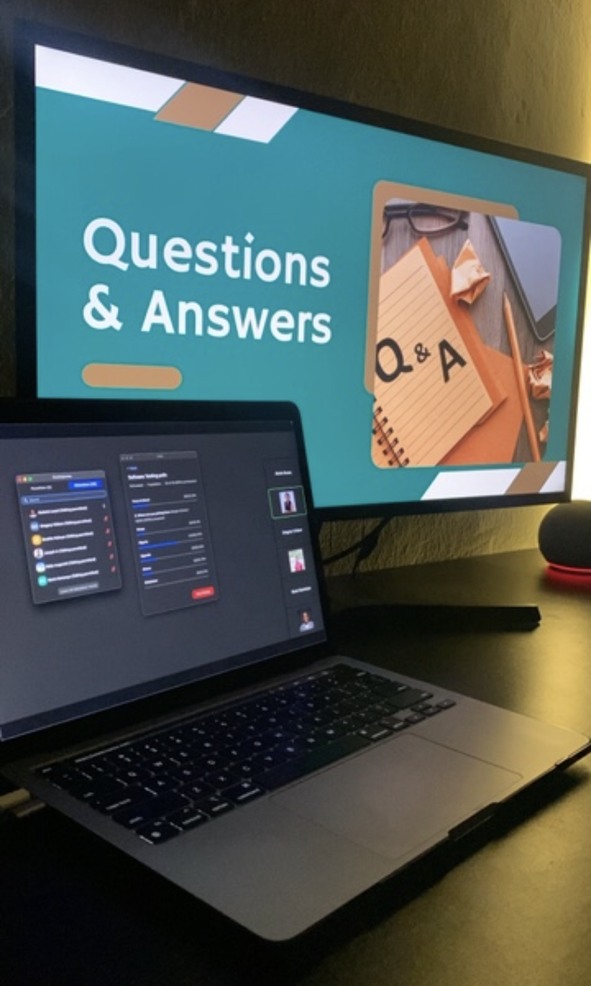
I have a minimal dual-screen setup — a laptop paired with a large external monitor. An Echo Dot sits tucked beside the monitor, a bookshelf within arm’s reach, and warm ambient lighting behind it all. Everything within reach, nothing unnecessary.
3. What tech tools/ applications do you use the most for work?
The tools I rely on most are Slack for communication, Notion for organisation, and Google Workspace for pretty much everything documentation. For testing, I use the usual suspects, Postman and Selenium.
I’m also currently building TestTrac, a test management tool we use in-house at TBD. It’s not public yet, but it’s been a game-changer for how we manage QA workflows internally.
4. What do you do when you need inspiration?
Honestly, it depends on what kind of uninspired I am. Sometimes I just need sleep. Other times, I pick up a book, put on Diary of a CEO, or call a friend who gets it.
When I feel deeply stuck, I take a work trip; seeing how other people build and do things has a way of snapping everything back into perspective.
5. What mobile application can you not do without daily?
My Bible app, without a doubt. After that, Substack. I read a lot, and it keeps the right voices in my feed. Instagram is technically on the list too, but honestly, it’s been seeing less and less of me lately, and I don’t think that’s a bad thing.
6. What tech solution do you wish someone had created?
A smart digital food timetable that plans your meals for the week based on what’s simple, available and realistic. Not a fancy recipe app, just something that removes the daily ‘what do I eat today’ decision entirely. Decision fatigue is real, and nobody talks about how much of it happens in the kitchen.
7. If you have unlimited time and money, what problem would you solve?
Contrary to popular opinion, I don’t think school is a scam. I believe education builds knowledge, sharpens critical thinking, drives exposure, and instils discipline. If I had unlimited time and money, I would make sure everyone around me and beyond had access to it, not necessarily a standard classroom; it could be vocational, professional, practical, whatever fits the person.
But everyone must learn something. A learned society unlocks endless possibilities. A lot of the innovation drought we see wouldn’t exist if more people had even a little exposure to what is possible.
8. Which woman in tech inspires you the most?
Daniela Amodei, co-founder and President of Anthropic — the company behind Claude, the AI I use daily. What gets me about her story is that she has no engineering background whatsoever. She studied English Literature, worked in politics, then found her way into tech.
And she co-founded one of the most consequential AI companies in the world right now. To me, that says everything about what is actually possible when you stop waiting to have the ‘right’ background before you go after something big.
9. Which profound statement inspires you the most?
‘Whatever is too big for your mind is too big for your hands.’ — Bishop David Oyedepo. It’s a simple statement, but it reframes everything. Before you can build it, lead it, or scale it, you have to be able to conceive it.
Your capacity to execute will never outgrow your capacity to think. That one line has pushed me to keep expanding how I see things, because the ceiling is almost always in the mind before it shows up anywhere else.
10. Whose women in tech trivia would you love to read?

Ada Nduka Oyom — a friend and colleague I genuinely admire. She studied Microbiology, stumbled into tech at a university event where she was one of only five women in the room, and decided right there that she would do something about it.
That decision became She Code Africa, which has now impacted over 62,000 women across 20 African countries. I know enough of her story to know there is so much more the world hasn’t heard yet — and I would read every word of that trivia.
Read also: The Hub: inside Ibukun Awosika’s workspace with a $1,500 membership plan
