

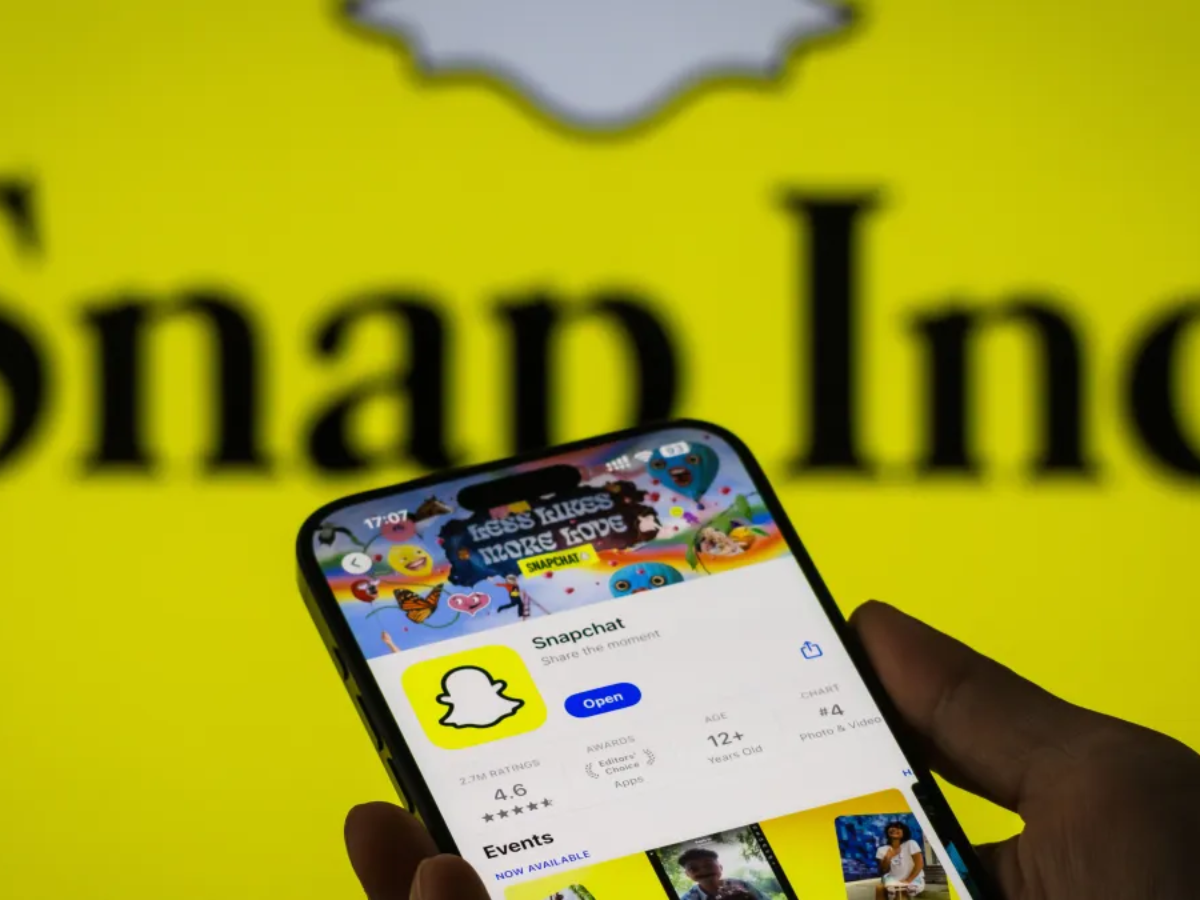
Snap announced it will stop recommending “wholly AI-generated videos” in its Spotlight feed, prioritizing human-made content.
This decision follows similar actions by YouTube, LinkedIn, and Substack in recent weeks to limit fully AI-generated material, often referred to as “AI slop.” Snap will continue to allow AI-enhanced or edited videos in Spotlight recommendations.
Snap stated on Friday that entirely AI-generated content is often low-quality, repetitive, and generally not aligned with user preferences.
Snap Joins Other Platforms in Targeting AI Slop
Snap’s update affects recommendations in the Spotlight feed but does not ban AI content entirely. The platform will no longer feature wholly AI-generated videos in Spotlight, instead highlighting authentic, human-made content. AI-enhanced or edited videos created with Snapchat’s tools will continue to be recommended.
Snap acknowledged that fully AI-generated content is typically “low-quality,” “repetitive,” and not aligned with user interests. The Research supports these findings, and a separate survey indicates that increased exposure to AI-generated content reduces users’ trust in the authenticity of online material.
Snap’s announcement follows similar measures implemented by other platforms in recent weeks.
Substack introduced a tool to let readers detect AI-generated writing. Co-founder and CEO Chris Best said “it’s getting harder to tell what’s real on the internet” and cited research finding up to 40% of writing on social media is now fake or AI-generated. “Platforms that reward fakeness will create a race to the bottom,” Best said.
LinkedIn introduced a feature for users to report posts or comments that appear AI-generated. Chief Product Officer Hari Srinivasan reported the platform has “blocked billions” of AI-generated comment attempts and now intercepts hundreds of thousands daily.
LinkedIn is also removing its AI-powered post enhancement prompt, reverting to a basic proofreading tool, and clarified that users who use AI to refine posts will not be affected by these measures.
YouTube revised its monetization policies this month, specifying that generic, repetitive, or template-based content is ineligible for revenue.
Research last year identified many YouTube channels comprised entirely of AI-generated content, some with millions of subscribers and significant revenue.
YouTube’s trust and safety chief Matt Halprin stated that while AI technology “enables great stuff,” it also facilitates content farming “that we don’t want to have.”
What Snap’s Policy Change Means for AI Content
The platforms share a consistent distinction: targeting fully AI-generated, low-effort content while permitting AI tools used to edit or refine human-made work.
Snap, LinkedIn, and the others have each stated they are not rejecting AI use entirely, focusing instead on the automated, template-based content that generative tools make easy to produce at scale.
Snap has not specified how it will distinguish wholly AI-generated videos from AI-enhanced content in Spotlight, or how this distinction will be enforced at scale.
It is also unclear whether the change applies only to recommendations or to other areas of Snapchat, and Snap has not released data on the expected impact. The overall effectiveness of these measures against AI slop remains to be seen as implementation progresses.

