

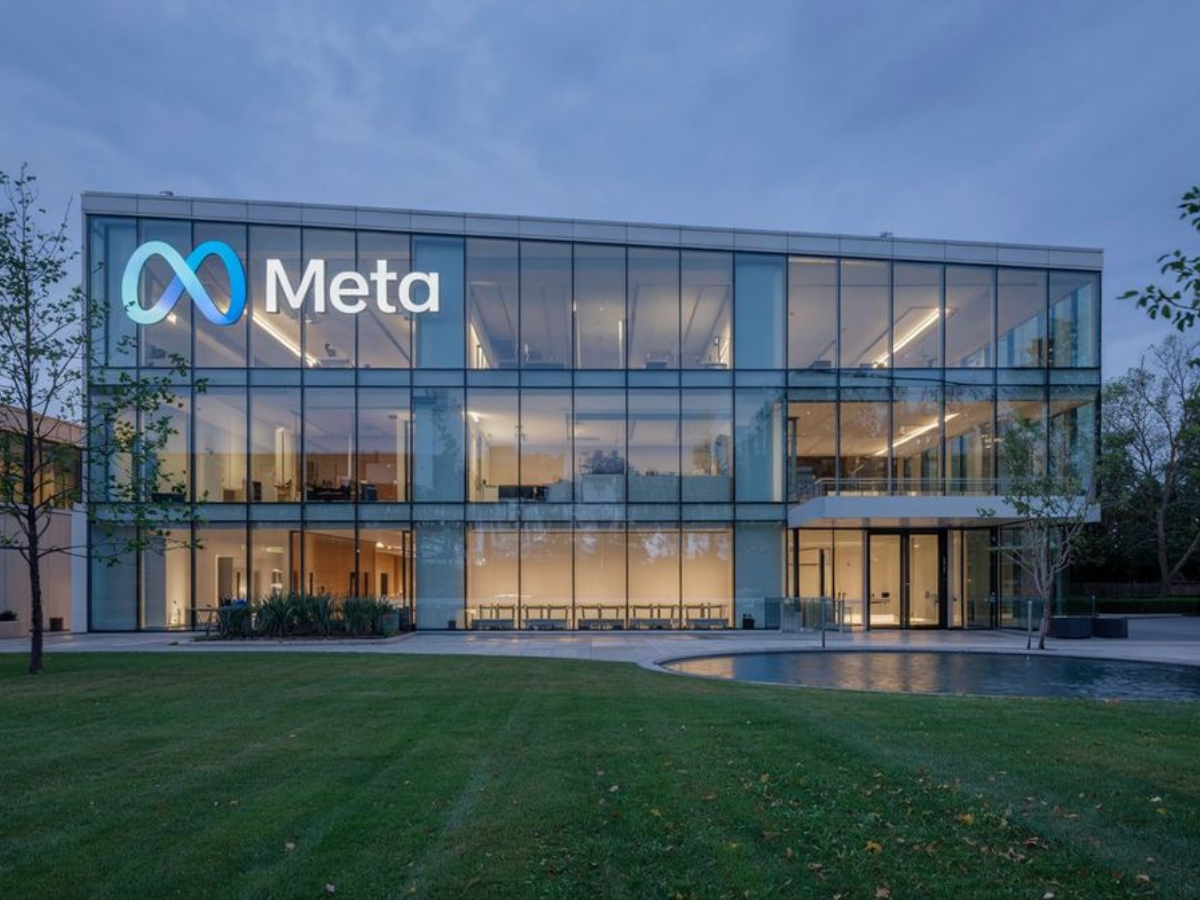
Meta has agreed to a proposed settlement of up to $18 billion with a bipartisan group of 52 attorneys general. The case centers on claims that Facebook and Instagram were intentionally designed to encourage compulsive use among children and teenagers.
The settlement, which still needs court approval, resolves a lawsuit filed in 2023 by California Attorney General Rob Bonta and other state attorneys general.
If approved, the agreement will require Meta to add new restrictions for users under 18. This includes a default two-hour daily usage limit that only parents can disable. About $12.7 billion of the payment will go to participating states.
Meta’s Teen Safety Allegations and New Facebook and Instagram Restrictions
The 2023 lawsuit accused Meta of building features that encouraged compulsive use among young people. It also claimed Meta misled users, families, and the public about the risks of its platforms.
The attorneys general also alleged that Meta illegally collected and used data belonging to children under 13, violating federal and state laws, including the Children’s Online Privacy Protection Act, California’s False Advertising Law, and California’s Unfair Competition Law.
The agreement requires Meta to add several restrictions for users under 18 on Facebook and Instagram. One is a default two-hour daily usage limit, which only parents can turn off. If YouTube and TikTok agree to similar rules, the limit would drop to one hour.
Meta will also block teens from using its apps between midnight and 6 a.m. by default. Most notifications will be muted between 10 p.m. and 7 a.m. and during school hours, though parents can change these settings. Direct messages and some security or safety alerts are not affected by some of these restrictions.
Other requirements include hiding like and reaction counts for teenagers, blocking cosmetic surgery filters, offering a non-personalized feed option, improving parental supervision tools, and adding more age-verification technology to identify users under 18 and remove children under 13.
An independent auditor will monitor Meta’s compliance. The company will not be allowed to make false or misleading claims about its safety features. Most of the new protections must stay in place for ten years. The agreement also creates an independent research foundation focused on teen well-being and social media use.
Meta’s $18 Billion Settlement Payments and Remaining Approval Questions
Meta says the agreement involves about $18 billion in payments over ten years. Participating states are expected to receive around $12.7 billion.
Another $5.3 billion will only be paid if YouTube and TikTok adopt similar changes, such as one-hour daily limits, nighttime restrictions, and age-assurance measures, and each makes a matching payment.
“The agreement is designed to drive industry-wide adoption, ensuring teens receive consistent protections across the apps they use most, like YouTube and TikTok,” Meta said. “If industry peers adopt this new standard, certain provisions will be strengthened.”
California is expected to receive between $1.5 billion and $2.1 billion. According to Attorney General Bonta’s office, the proposed settlement earmarks the money for preventing or addressing mental health or other harms to young Californians linked to social media use.
The final decision on spending will be made by the Legislature and the Governor. Meta expects about $10 billion in legal expenses related to the agreement in the third quarter of 2026.
The settlement still needs court approval and is not final. The extra $5.3 billion payment depends on whether YouTube and TikTok agree to similar changes and make matching payments, which is still undecided.
The state Legislature and Governor will decide how California’s share is spent. The settlement resolves the allegations without Meta admitting liability in detail.s is a child-safety and mental-health-related matter.
Parents seeking to manage a teen’s social media use can consult the platforms’ parental supervision tools, and anyone concerned about a young person’s well-being can reach out to a licensed professional or trusted person for support.

