

Across Africa, treason is pulling opposition politics, disputed elections and struggles for power into the courtroom. The allegations are serious and varied: plotting coups, organising armed insurrections, acquiring weapons, financing paramilitary operations and, in some cases, actions and statements made during political and electoral campaigns.
And it is not only opposition leaders in the dock. Ministers, MPs, military commanders, businessmen and even a bishop are among those accused.
At the heart of many of these cases is a fierce dispute over what constitutes treason. Governments say they are prosecuting genuine threats to the state. Opposition figures and rights groups say some authorities are turning the gravest of charges into a weapon against political opponents.
The Africa Report looks at who is facing treason charges across Africa, what they are accused of and where their cases stand, as well as others facing related state-security prosecutions.
Zambia
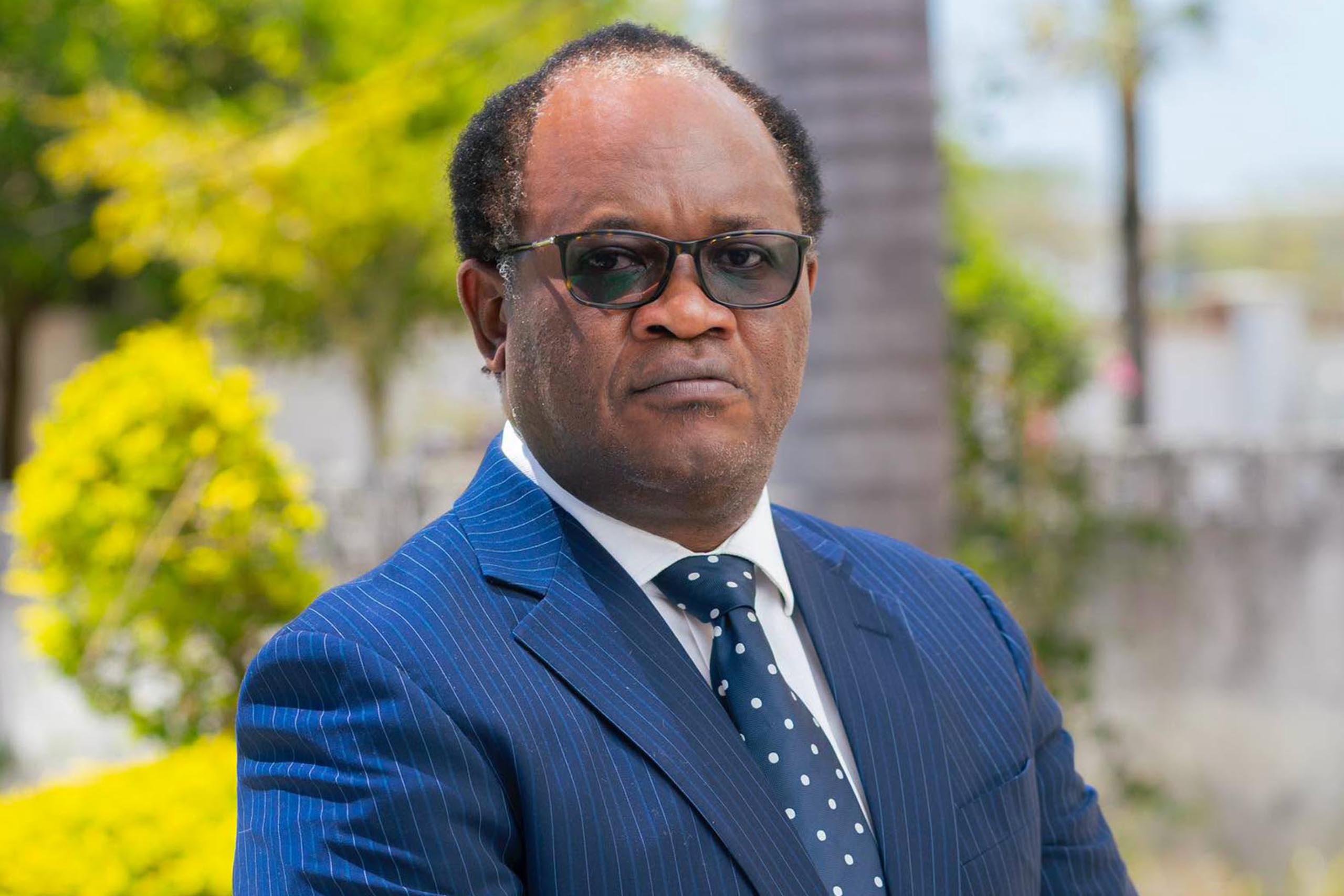
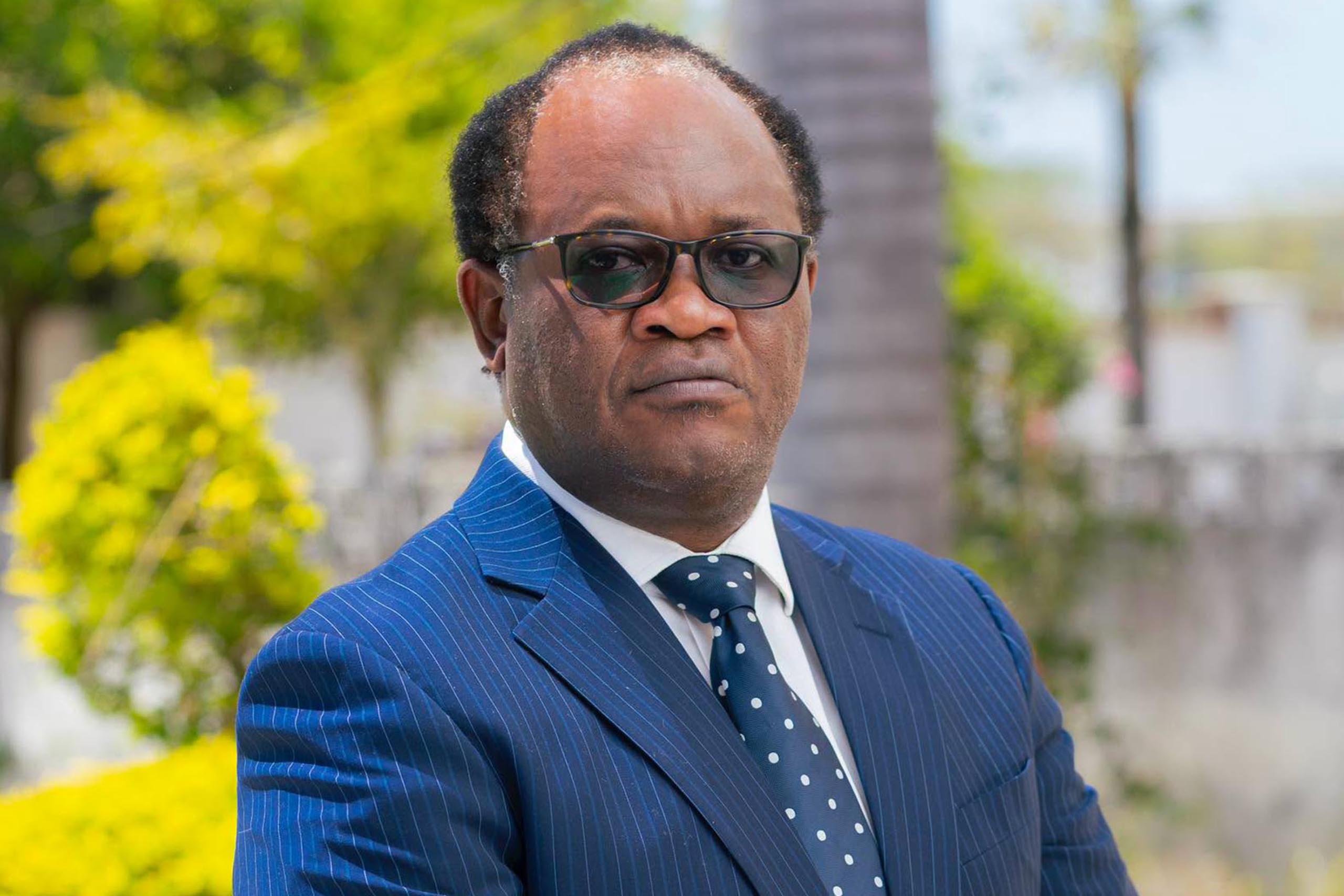
Brian Mundubile – opposition leader
Brian Mundubile went from presidential challenger to treason suspect in a matter of weeks. Official results from Zambia’s 13 August election gave President Hakainde Hichilema 60% of the vote, with Mundubile taking 38%. Mundubile disputed the result, alleging irregularities.
Police sealed off the courts on the final day for filing election petitions, preventing the opposition from mounting a legal challenge regarding the result before the deadline.
The political confrontation quickly became a criminal case. The day after the election, security forces stormed a property in Lusaka associated with Mundubile and arrested 11 people. Former cabinet minister Mutotwe Kafwaya was killed during the operation.
Authorities say the raid uncovered evidence of an armed plan against the government and allege that people linked to Mundubile were involved. His camp rejects the accusations. Mundubile later took refuge at UN premises in Lusaka before handing himself over to police. He was formally charged with treason on 29 August.
Makebi Zulu – running mate
Lawyer and former minister Makebi Zulu was Mundubile’s running mate in the presidential election and is now his co-defendant. Zulu served as Eastern Province minister under former president Edgar Lungu and later became a prominent opposition figure.
After the post-election security operation, Zulu and Mundubile sought refuge at UN premises in Lusaka before surrendering to police. He was subsequently charged with treason and transferred to Mukobeko Maximum Security Prison.
Others charged in Zambia
The case extends well beyond Mundubile and his running mate, with 18 people charged with treason in total, including politicians, businessmen, a cleric and former servicemen.
Among the most prominent is George Kangwa Chisanga, the Lukashya MP, lawyer and former president of the Law Association of Zambia. He was among the 11 people detained during the 14 August security operation and is now among the 18 defendants formally charged with treason.
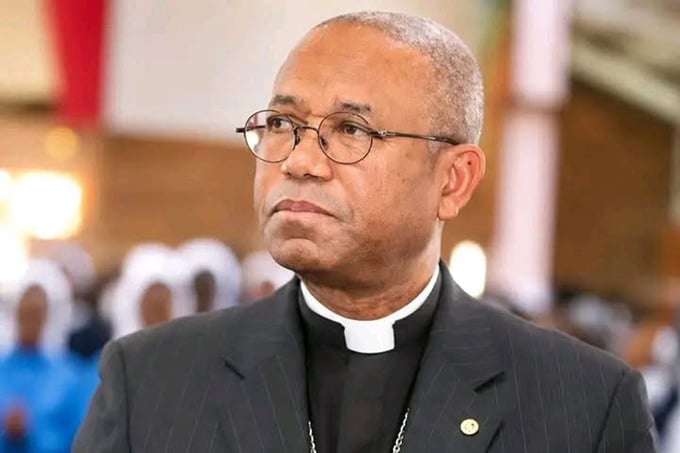
Bishop Trevor Mwamba brings a very different profile to the case. The Anglican cleric and former bishop of Botswana has also been active in Zambian opposition politics. He was detained during the same operation and has since been charged with treason.
Businessman Valden Findlay is another high-profile defendant. A well-known figure in Zambia’s business and political circles, Findlay has had close links to former president Edgar Lungu. He has been charged with treason in the same case and was later transferred to Mukobeko Maximum Security Prison alongside Mundubile and Zulu.
The case also reaches into Lungu’s family. Businessman Patrick Mwansa, husband of Lungu’s daughter Tasila Lungu, was among those detained in the 14 August operation. He too is among the 18 people formally charged with treason.
Other defendants include former servicemen and less prominent figures allegedly connected to the purported plot.
The treason cases come amid wider concern over Zambia’s political climate. Gina Romero, the UN Special Rapporteur on the rights to freedom of peaceful assembly and of association, has expressed “grave concern” over what she described as the country’s deteriorating democratic and human rights environment. She called on the government to protect civic space and “immediately cease the criminalisation of political dissent”.
Tanzania
Tundu Lissu – opposition leader
Tundu Lissu has spent years confronting the Tanzanian state. The main opposition Chadema chairman survived an assassination attempt in 2017, spent years in exile and returned to become one of President Samia Suluhu Hassan’s most outspoken opponents.
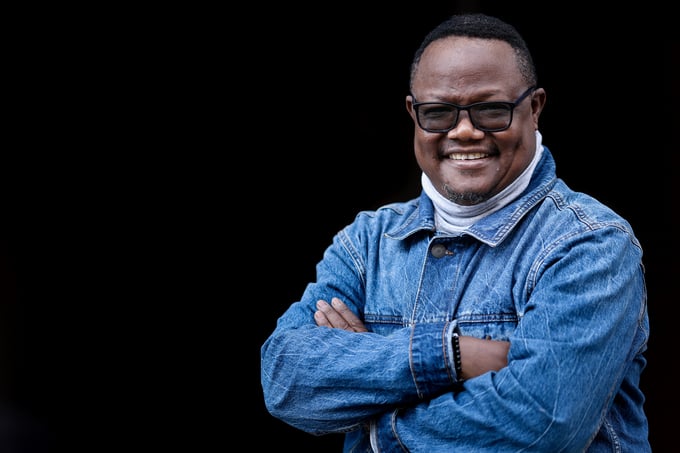
Ahead of the 2025 election, he led Chadema’s “No Reforms, No Election” campaign, insisting that Tanzania’s electoral system had to be overhauled before the country went to the polls.
Lissu was arrested after addressing a political meeting in April 2025 and charged with treason. Prosecutors allege statements he made as part of the campaign were intended to prevent the election from taking place.
On 21 August, the High Court ruled that the prosecution had established a case for Lissu to answer, pushing the trial into the defence stage. Lissu denies the charge and says the case is politically motivated.
Uganda
Kizza Besigye – opposition leader
Few African opposition figures have endured as bruising and prolonged a confrontation with the state as Kizza Besigye. The four-time presidential candidate has spent more than two decades challenging President Yoweri Museveni, repeatedly facing arrest, detention and prosecution.
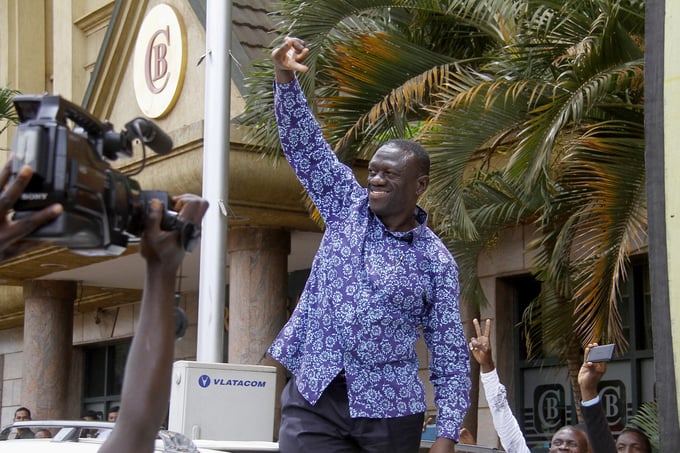
His latest battle is a treason case. Besigye was detained in Nairobi in November 2024 and forcibly returned to Uganda, initially appearing before a military court. The case later moved to a civilian court after the Supreme Court restricted military trials of civilians.
Prosecutors accuse Besigye and his co-defendants of plotting to overthrow the government, including allegedly seeking funds and weapons and organising paramilitary operations. He denies the charges.
His deteriorating health has complicated the trial. Besigye collapsed in court on 29 July and was hospitalised. His wife, Winnie Byanyima, said he has struggled to walk, speak and write, while prison authorities said he has received medical care and remains stable.
In late August, he was again taken from Luzira Prison for treatment.
Besigye’s co-defendants
Besigye is jointly charged with businessman Obeid Lutale and serving Uganda People’s Defence Forces officer Captain Denis Oola.
Lutale was detained alongside Besigye in Kenya in November 2024 before the pair were returned to Uganda. Prosecutors accuse him of participating in the alleged plot, including through meetings outside Uganda. He denies wrongdoing.
Oola’s inclusion adds a military dimension to the case. Prosecutors allege the UPDF officer was involved in the same scheme to overthrow the government, including efforts to raise money, acquire weapons and organise an armed force.
Former Kampala lord mayor and People’s Front for Freedom president Erias Lukwago faces misprision of treason, essentially, knowing about an alleged treasonous plot – in this case, the alleged Besigye plot – and failing to report it.
South Sudan
Riek Machar – former vice president
Few treason defendants carry the political weight of Riek Machar, the former rebel leader whose power-sharing deal with President Salva Kiir helped end South Sudan’s civil war and made him first vice president.
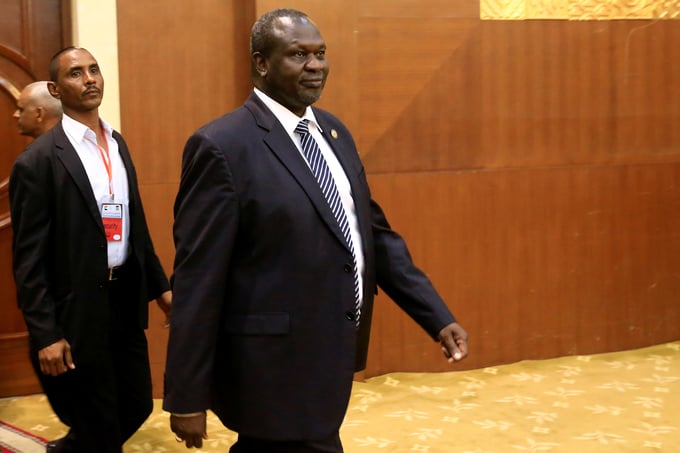
That fragile partnership unravelled again after deadly fighting in Nasir, Upper Nile State, in March 2025. Prosecutors accuse Machar and seven co-defendants of involvement in an attack on a South Sudan People’s Defence Forces garrison by fighters linked to the White Army, a loose band of armed youths.
Machar faces charges including treason, murder, conspiracy, terrorism and crimes against humanity. He denies responsibility and remains under house arrest.
Machar’s co-defendants
Machar is on trial alongside senior political and military figures from his movement, as well as civilians accused of links to the March 2025 violence in Nasir.
Puot Kang Chol, a former petroleum minister and senior figure in Machar’s Sudan People’s Liberation Movement-in-Opposition (SPLM-IO), faces charges including treason, murder, terrorism and crimes against humanity. He denies wrongdoing.
Gatwech Lam Puoch, an SPLM-IO lawmaker representing Nasir County, is accused of passing sensitive military information to people linked to the White Army. He denies the allegation, saying his communications during the crisis were aimed at protecting civilians and promoting peace.
Two senior military figures are also in the dock. Lieutenant-General Gabriel Duop Lam, a senior SPLA-IO commander, and Brigadier-General Camilo Gatmai Kel, an aide to Machar, are accused of involvement in the alleged coordination of the Nasir attack. Both face treason and other serious charges.
Businessman Mam Pal Dhuor is also charged, extending the case beyond Machar’s political and military circle.
Two other defendants, Mading Riek Yak and Dominic Gatgok Riek, bring the number standing trial to eight, including Machar.
Lesotho
Mothetjoa Metsing – former deputy PM
More than a decade after Lesotho’s 2014 political crisis, former deputy prime minister Mothetjoa Metsing is still on trial for treason.
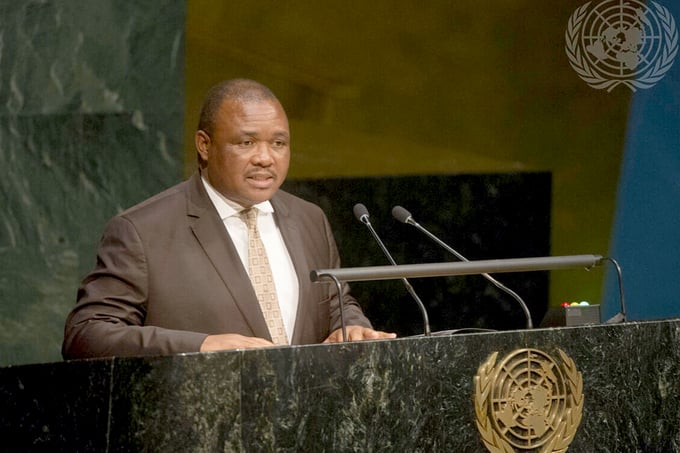
The Lesotho Congress for Democracy leader is accused over the 29-30 August 2014 attacks on police installations that prosecutors say formed part of an attempted coup. His defence disputes that account, arguing that the military operation was intended to disarm the police.
Metsing has pleaded not guilty. The long-running trial is due to resume on 21 September.
Others charged in Lesotho
Sitting cabinet minister Selibe Mochoboroane, leader of the Movement for Economic Change, is on trial in the same case. The agriculture minister is accused alongside Metsing over the 2014 events and has pleaded not guilty.
The most senior military figure in the case is former army commander Lieutenant-General Tlali Kamoli, who headed the Lesotho Defence Force during the crisis. He faces treason, murder and attempted murder charges and has also pleaded not guilty.
A separate and highly unusual treason case involves Tšepo Lipholo, an MP and leader of the Basotho Covenant Movement who campaigns for South Africa to return territory he argues was historically part of Basutoland. Prosecutors accuse Lipholo of involvement in recruiting Basotho men for military training in South Africa as part of an alleged plan to “forcefully reclaim” the disputed territory. He was arrested in July 2025 and later charged with treason.
The allegations prompted investigations across the border, but South African police and intelligence authorities said they found no evidence of the alleged military training camps.
Treason-related charges, but not treason
Not everyone swept into these state security cases is charged with treason. Some face closely related offences, while one ousted president still lives under the threat of a high treason prosecution.
Erias Lukwago – Uganda
Former Kampala lord mayor and People’s Front for Freedom president Erias Lukwago faces misprision of treason, essentially, knowing about an alleged treasonous plot and failing to report it.
The opposition politician and lawyer, who has represented Besigye, denies wrongdoing. His case was sent to the High Court for trial in July.
Timipre Sylva – Nigeria
Former Bayelsa governor and petroleum minister Timipre Sylva has been drawn into a federal case over an alleged plot to overthrow President Bola Tinubu.
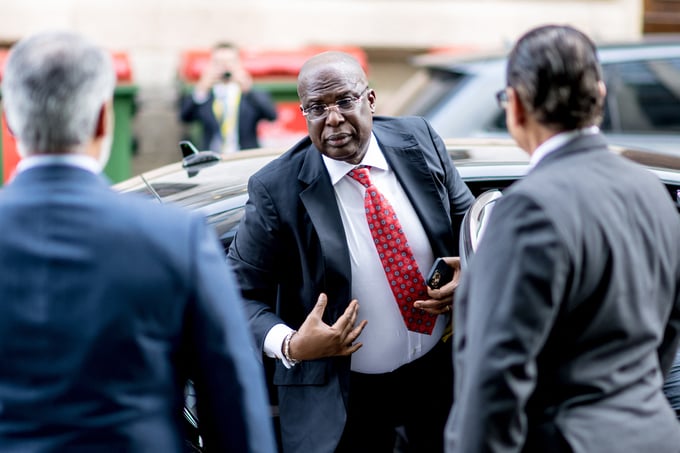
Prosecutors in Nigeria accuse Sylva of helping to conceal the alleged coup plot. He was arraigned in absentia and remains at large, but it is not clear that he personally faces a charge of treason.
Six other defendants – including retired Major-General Mohammed Ibrahim Gana, retired naval captain Erasmus Ochegobia Victor and serving police inspector Ahmed Ibrahim – face a 13-count indictment including attempted treason and terrorism-related offences. Prosecutors allege they conspired to “levy war against the state” in an attempt to overthrow or overawe Tinubu’s government.
On 31 August, while still at large, Sylva resigned from the ruling All Progressives Congress (APC), saying the party had departed from its founding ideals.
Mohamed Bazoum – Niger
More than three years after soldiers overthrew Mohamed Bazoum, Niger’s military rulers have yet to bring the high treason case they threatened against him.
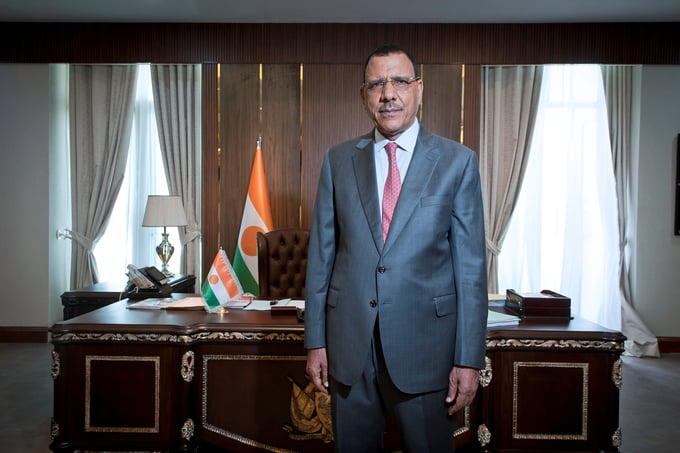
Ousted president Bazoum has remained in detention since the July 2023 coup. The junta accused him of high treason and undermining state security, including over contacts with regional and international actors after his overthrow.
His presidential immunity was lifted in June 2024, opening the way for prosecution. However, his lawyers said he had neither been formally charged nor put on trial.
Jeffrey Smith, executive director of Vanguard Africa and a campaigner for Bazoum’s release, says the ousted president is effectively being held as a “hostage” by Niger’s military rulers.
He adds that the former president has been “stripped of his dignity” while living under the “ever-looming threat of prosecution”, including a possible death sentence if convicted by a “corrupt military court”.
Other ways to prosecute a threat to the state
Elsewhere, terrorism, conspiracy and alleged coup plots have also put government opponents in the dock.
Victoire Ingabire – Rwanda
Rwandan opposition heavyweight Victoire Ingabire, a longtime critic of President Paul Kagame, has been in custody since June 2025 and is being prosecuted alongside eight others.
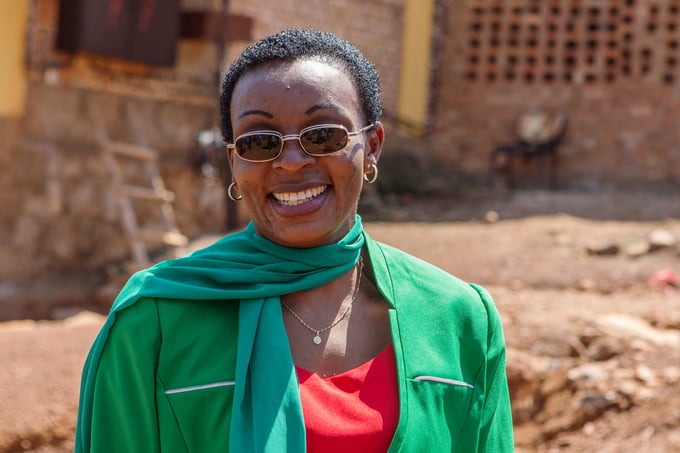
The case covers a broad range of alleged offences, from conspiring against the government and links to a criminal organisation to inciting unrest and unlawful demonstrations. She is also accused of spreading information prosecutors say was intended to damage Rwanda’s reputation abroad.
Ingabire denies the allegations. During a June court appearance, she complained of restrictions on contact with her family and co-defendants and difficulties accessing medication. Her substantive trial is set to open at the High Court in Kigali on 8 September.
It is not her first time behind bars. Ingabire was arrested in 2010 after returning from exile to enter politics and was subsequently convicted and imprisoned, before receiving a presidential pardon in 2018. A year before her release, the African Court on Human and Peoples’ Rights ruled that Rwanda had violated her rights to freedom of expression and a fair trial.
Venâncio Mondlane – Mozambique
Venâncio Mondlane, who mounted the strongest challenge to Frelimo in Mozambique’s disputed 2024 presidential election, faces prosecution over the mass protests that followed.
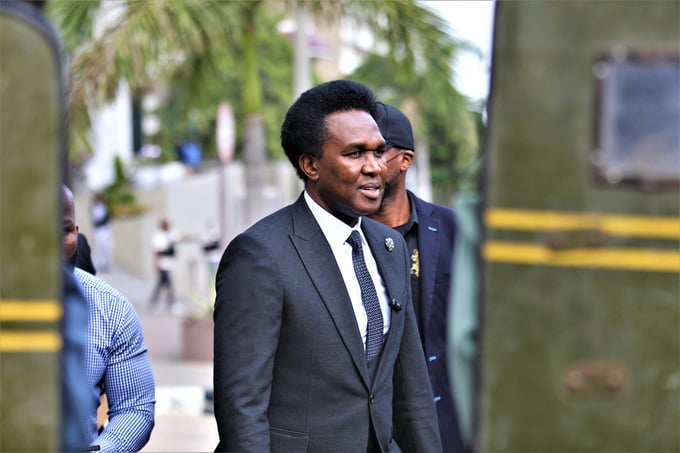
He is charged with five offences, including incitement to collective disobedience, instigation of terrorism and incitement to terrorism. Prosecutors allege his calls for protest contributed to violence and destruction.
Mondlane denies wrongdoing, arguing that his mobilisation challenged electoral fraud. His immunity has been lifted, clearing the way for Supreme Court proceedings and potentially putting his 2029 presidential ambitions at risk.
Domingos Simões Pereira – Guinea-Bissau
Former prime minister Domingos Simões Pereira leads the opposition PAIGC, the historic party that led Guinea-Bissau’s independence struggle against Portuguese colonial rule. He is now a suspect in an alleged October 2025 attempt to overthrow the government.
Authorities accuse Pereira of involvement in and helping finance the alleged plot. He and his supporters deny the allegations and say the case is politically motivated.
Former Higher Military Court president General Daba Na Walna is implicated in the same case. He and other defendants were placed in pre-trial detention, but the prosecution has become embroiled in a legal battle over whether military courts have jurisdiction.
