

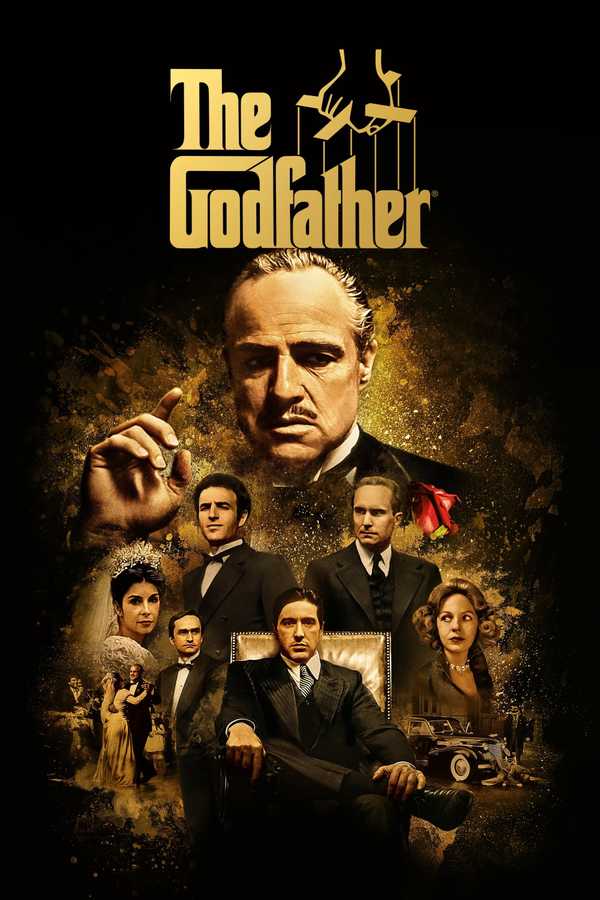
Few film trilogies have had the cultural impact of 1972’s The Godfather. Decades after the first movie was released, Francis Ford Coppola’s story about the Corleone family remains a defining portrait of power, loyalty, and the cost of ambition. But beneath it all is a story full of contradictions. Vito builds his empire to protect his family, while Michael’s efforts to preserve it push everyone apart.
As the trilogy progresses, family becomes both the reason the Corleones seek power and what power gradually takes from them. Loyalty becomes harder to separate from obedience, and protecting the family starts to mean protecting the empire at almost any cost. So looking at their story more closely reveals a few lessons that reach well beyond the world of organized crime.
A favor can be a debt in disguise
Vito Corleone’s generosity comes with expectations
One of the first things we learn about Vito Corleone (Marlon Brando) is that people come to him when nobody else will help them. At the wedding at the beginning of The Godfather, an undertaker named Bonasera asks Vito to punish the men who assaulted his daughter. Bonasera has tried to get justice through the courts and finds the outcome disappointing.
Vito agrees to help. But the whole exchange serves as an important revelation about the way he operates. Instead of money, he wants Bonasera to acknowledge their relationship and show him the respect he believes he’s owed. That’s what makes Vito such a complicated character. His system depends on people remembering what he’s done for them.
The problem isn’t that helping someone should never come with expectations. Most relationships involve some degree of reciprocity. But when Vito needs something, he expects those same people to do as they are told. And because of his power, they aren’t necessarily in a position to refuse. There’s a difference between helping someone and making yourself indispensable to them.
- Release Date
-
March 24, 1972
-

Marlon Brando
Don Vito Corleone
-

Al Pacino
Michael Corleone
-

James Caan
Sonny Corleone
-



Respect built on fear is never as secure as it looks
Michael inherits his father’s authority but loses the trust that made it meaningful
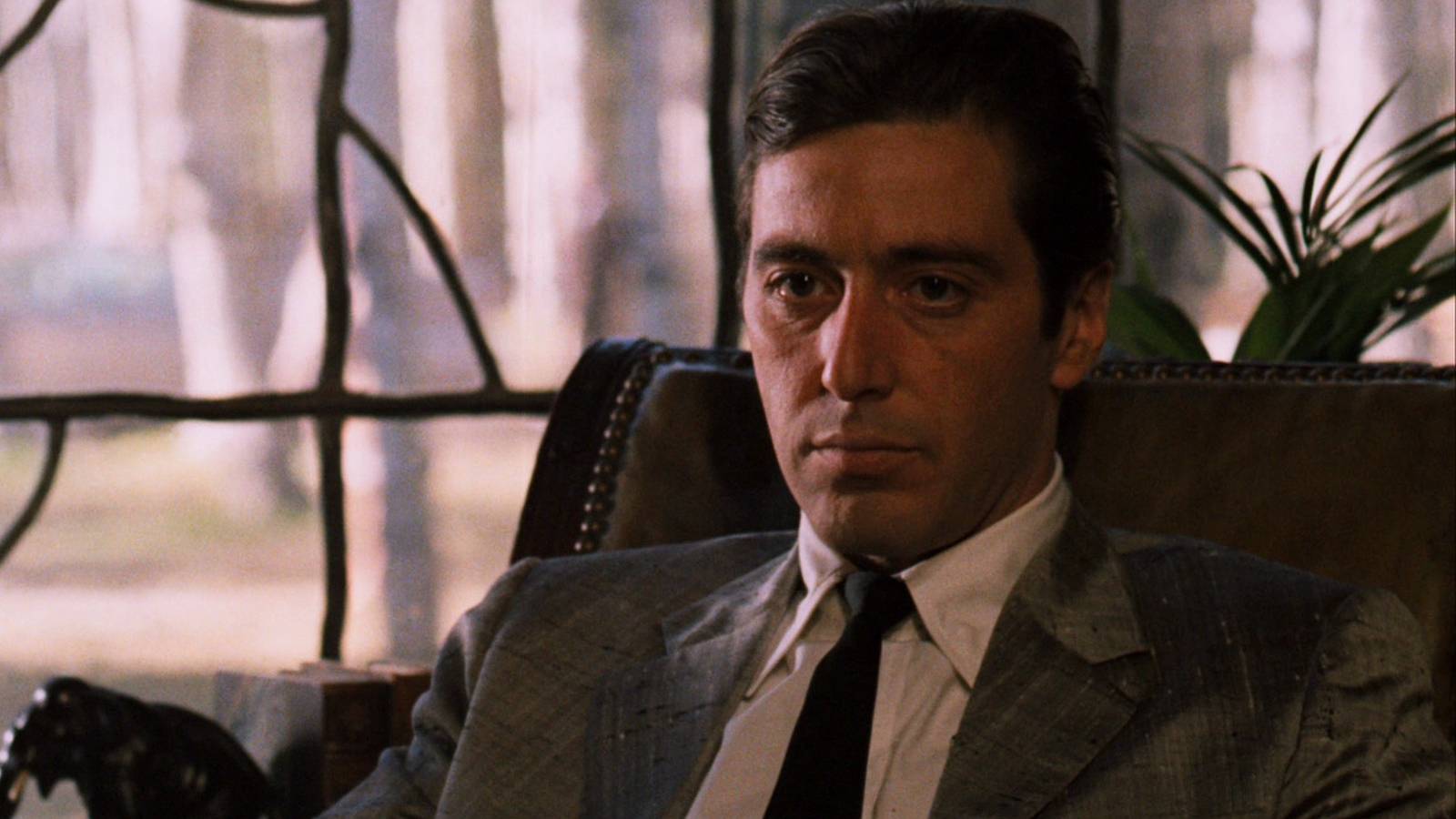
Vito Corleone understands that power and maintaining his influence depend on relationships, which means that his authority isn’t based on violence alone. He understands the value of patience, personal obligations, and knowing when to talk instead of having a fight. Michael (Al Pacino) approaches those same relationships differently when he takes control of the family.
He immediately wants to eliminate threats and ensure that nobody has the opportunity to challenge his authority. The difference becomes clear in The Godfather Part II (1974) when he orders his brother Fredo to be killed for being involved in the attempt on his life. That’s the moment Michael’s authority becomes a source of fear rather than something they can trust.
While Michael may have legitimate reasons to feel betrayed, his response reveals that once someone fails him, their past relationship becomes meaningless. So his authority becomes something people fear instead of something they can trust. That distinction is a big deal in real life too because a person can get their way in a relationship and still leave others feeling afraid and disrespected.

- Release Date
-
December 20, 1974
-
Al Pacino
Don Michael Corleone
-
-

Diane Keaton
Kay Corleone
-

Robert De Niro
Vito Corleone
Keeping a family secret can protect its reputation while destroying its relationships
Michael’s need to control what his family knows leads to more damage

At the end of The Godfather, Michael assures Kay (Diane Keaton) that he’s innocent when she asks if he had Carlo killed. But as Kay watches the door to Michael’s office close, she realizes that things have changed. She may be his wife, but she’s being kept away from a big part of his world. It might feel like a small thing, but it highlights a problem that eventually becomes more serious.
Throughout the trilogy, Michael tries to maintain the appearance of a normal family life while keeping the reality of his business separate. He expects Kay to trust him, but he doesn’t give her the information she needs to understand his decisions or the danger that comes with it. By The Godfather Part II, Kay understands what that separation means and terminates her pregnancy.
Although she initially keeps it a secret, Kay eventually tells Michael that she did it so that his world wouldn’t determine the life of another child. Michael treats her decision as a betrayal, even though he has spent years withholding the truth from her. Families often keep secrets because they believe they’re protecting someone. But secrecy can lead to control, which ultimately ends in disaster.
An empire can survive long after its original purpose has been lost
The Corleones eventually lose sight of what family is supposed to mean
By 1990’s The Godfather Part III, Michael is trying to move the Corleones into legitimate business. He wants to leave the criminal world behind and create a future that isn’t filled with violence. But the transition is more complicated than he expects. The wealth and influence he has accumulated are tied to relationships and decisions that constantly pull him back into the same world.
Even when he tries to change direction, he can’t just walk away from everything that made his power possible. This is a different problem from ambition alone. Sometimes an organization begins with a clear purpose, but over time its survival becomes the main objective. People keep following familiar procedures because they’ve always done things that way.
People also tend to defend their sketchy decisions because admitting they were wrong would threaten their reputation. The Corleones are trapped by that same logic. Michael keeps protecting the business because he thinks it’s necessary for the family’s future, even though it starts to consume the relationships that give that future any meaning at all.

- Release Date
-
December 25, 1990
-
Al Pacino
Michael Corleone
-
-

Talia Shire
Connie Corleone Rizzi
-

Andy García
Vincent Mancini
Winning isn’t the same as getting what you wanted
Michael’s final tragedy is that he can survive his enemies but cannot recover the life he sacrificed

Across the trilogy, Michael repeatedly achieves the goals he sets for himself. He takes control of the family, defeats his rivals, consolidates his position, and becomes the kind of man who can influence powerful people. By conventional measures, he is extraordinarily successful. But the films gradually reveal how little that success tells us about the life he’s actually living.
But his children have grown up without the kind of father he might once have imagined he’d be. By The Godfather Part III, Michael seems to understand that wealth and authority can’t give him the peace he wants. Mary’s death makes that failure devastatingly clear. Although Michael spent years believing that he could control the outcome of almost any situation, he could not save his daughter.
Michael’s grief leaves him with a loss that no amount of influence can fix. So while it’s tempting to measure success by whether we achieve the things we’ve worked toward, those things don’t necessarily tell us whether we’ve built the life we wanted. Sometimes the pursuit of a goal changes our priorities so slowly that we don’t notice what we’re giving up to reach it.
