

It’s no secret that RAM prices have shot up through the roof, and that DDR4 is currently the “sweet spot” for most buyers. DDR4 RAM might still be expensive, but not to the same degree as a similarly specced DDR5 kit. And it’s only going to get worse.
On the other hand, DDR3 platforms are far too old to run modern hardware at their full potential (not to mention the inefficiency), which creates a unique situation — one where AM4 has started to surge in popularity again.
AM4 is the Goldilocks platform of 2026
AM5 is far too expensive, and Intel just isn’t good enough

The rise of DDR4 as a suitable alternative to DDR5 was only a matter of time. It makes sense, really. DDR5 kits are far too expensive, and the platform upgrade is usually not worth the minor boost in performance.
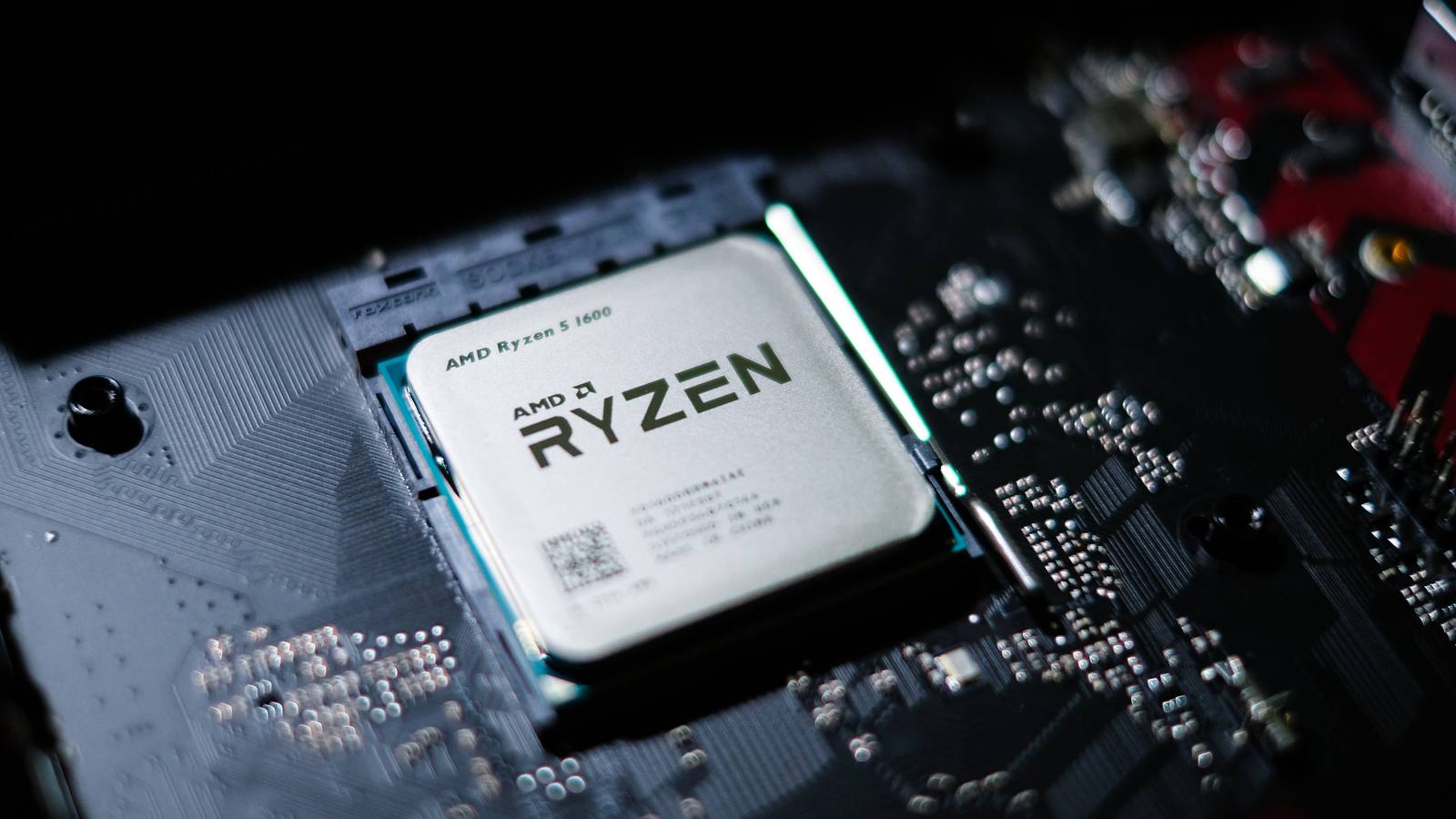
AMD’s AM4 platform is what I’d consider to be the best DDR4 platform to date, and it should come as no surprise to folks that it has seen a resurgence. AM4 components are relatively affordable and still easy to source. I can’t say the same about DDR5 platforms right now.
Take AM5, for example. Released as the successor to AMD’s decade-long AM4, AM5 was meant to be the next step forward — incorporating more modern CPUs, PCIe lanes, and, of course, DDR5 memory. It was meant to be the perfect replacement for the aging AM4, but things seldom go according to plan.

The AI boom caused a massive shortage of memory in consumer hardware, with DDR5 memory in particular in demand thanks to its higher speeds. And so folks decided to step back one generation, which was still a lot more affordable.
AM4 is now arguably the most popular PC platform, and tons of great budget builds are floating around with the help of used PC parts. Homelabs are no different, and all you really need is a capable Ryzen APU and some RAM to get started.
Intel is still an option, yes, but AMD just offers superior value for money right now, and you’d be crazy to not choose AM4 over Team Blue at the moment.
DDR4 RAM might not be cheap, but the rest of the AM4 ecosystem is reasonably priced
The power efficiency is also not too bad

Let’s get one thing clear: DDR4 memory isn’t exactly “affordable”. At around $300 for a 32GB kit of RAM, it’s still expensive until you start looking into DDR5 alternatives, which cost roughly double for the same capacity.
Most people won’t notice any difference between DDR5 and DDR4, so it’s better to go with the cheaper option.
Even if we ignore RAM pricing, AM4 still wins in terms of value for the rest of its components. B550 and X570 motherboards, for example, are still (relatively) easy to find, and won’t cost you an arm and a leg. The same goes for its CPU lineup.
AMD Ryzen CPUs offer fantastic value and have aged gracefully in 2026, still quite capable. Of course, this depends on the Ryzen generation, and I really wouldn’t recommend going below the 3000 series.
Ryzen is also known to be quite power efficient, and offers great performance per watt. At least compared to the competition. It’s also incredibly easy to undervolt, which is always appreciated.
Combine all these factors together, and you have sort of a Goldilocks situation. AM4 has the best of both worlds.
How to start building an AM4 homelab in 2026
Start with the basics; you don’t need to overspend
To actually begin building an AM4-based homelab in 2026, the first thing you should decide on is your CPU. For this, I’d recommend investing in a modern Ryzen 5000-Series APU (a CPU with integrated graphics).
The Ryzen 5600G and 5700G are good starting points, having more than enough compute to get the most strenuous of tasks done. Sure, they’re locked to PCIe 3.0, but the iGPU means you don’t really need to buy a dedicated graphics card for your server.
The next thing you should decide on is your motherboard. I’d recommend getting a B550 board at the very least. They’re fairly inexpensive and have a decent selection of expansion slots to go with. Any basic board should do.
The X570 boards are preferred, although they’re quite hard to come by now. X570 motherboards support PCIe 4.0 via the chipset lanes, which can be very useful for GPU passthrough.
The rest of the components, including RAM, storage, and a PSU, will all depend on what you need from the homelab. A basic server can make do with just the iGPU, 16GB of RAM, and some storage. You might want to swap to a beefier build if you plan to do something a bit more intensive, like GPU passthrough.
PCIe lane limitations are a sore point
AM4 is great, but it has one severe limitation. That is, the number of PCIe lanes it can support. Compared to Intel, AMD’s last-gen platform has fewer lanes, which means fewer PCIe lanes available from your motherboard—and therefore fewer full-speed expansion cards.
It doesn’t help that all B550 boards are stuck with PCIe 3.0 for their chipset lanes, which can be a very painful bottleneck. X570 boards solve this, but they’re ridiculously expensive and hard to find. That said, AM4 will still continue to reign until DDR5 prices stabilize.
