

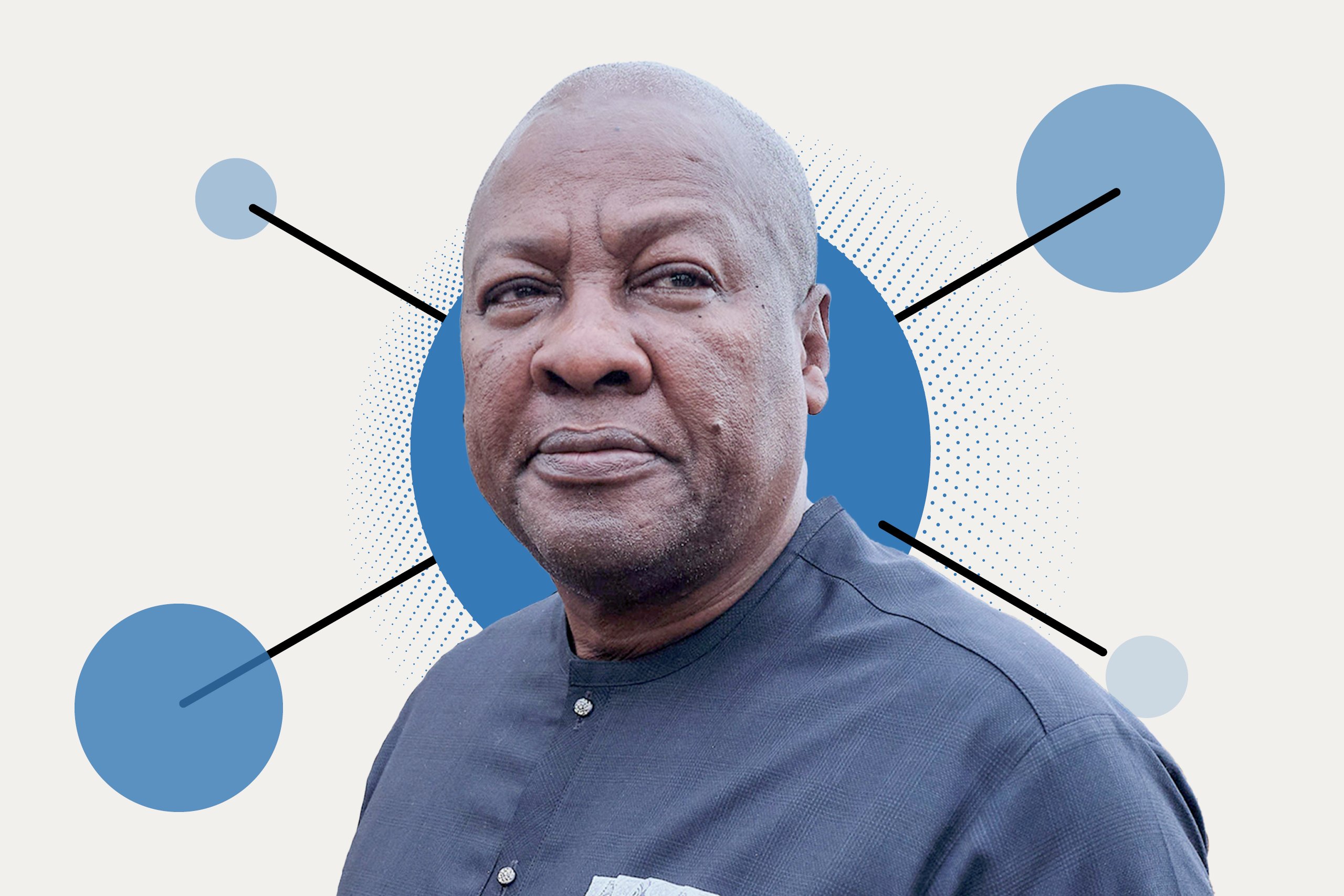
President John Mahama is asking Ghana’s Christian establishment to forge consensus on a project poisoned by audits, politics and distrust – and decide what survives.
The unfinished National Cathedral in Accra has been less a monument to faith than a monument to political mistrust. Conceived by former president Nana Akufo-Addo after a personal pledge to God, the project became engulfed in disputes over public funding, procurement, cost overruns and the demolition of state properties to make way for it.
By the 2024 election, the excavation had become an opposition campaign prop: John Mahama promised a forensic audit, an inquiry into the $58m already associated with the project and “broad consensus” on what should happen to the abandoned pit. That promise helped turn a religious project into a test of public accountability.
With Mahama back in office and audits deepening questions over the money, his government is attempting something politically delicate: asking Ghana’s most powerful Christian leaders to help decide whether the Cathedral should be rescued, redesigned, relocated, or finally buried.
Here are the powerful Christian leaders who could decide the fate of Ghana’s national cathedral.
Mainline Protestant establishment
Rev. Enoch Nii Narh Thompson, elected Christian Council chairman in May 2026, also heads the Ghana Baptist Convention. The council brings together 26 member churches and three Christian organisations, providing a voice and a link to Ghana’s historic Protestant establishment. Its general secretary, Cyril Fayose, has already said the council is ready to mobilise money locally and internationally for the cathedral. That makes Thompson less a cheerleader than a crucial organiser of any mainline Protestant consensus.
Most Rev. Matthew Kwasi Gyamfi is president of the Ghana Catholic Bishops’ Conference, the central body of the Catholic Church in Ghana. Catholics accounted for about 10% of respondents in the 2021 census sample. The bishops have repeatedly defended the church’s right to intervene in national questions of justice, accountability and public morality.
Any ‘Christian consensus’ that does not carry Gyamfi and the bishops would be difficult for Mahama to present as genuinely ecumenical. The Catholic position will be particularly sensitive because Archbishop Charles Palmer-Buckle has been embedded in the Cathedral project from inception. That gives Catholic leaders both a stake in its original vision and reason to insist that any reboot clears the accountability hurdle.
Apostle Eric Nyamekye combines two unusually powerful platforms: chairman of the Church of Pentecost and president of the Ghana Pentecostal and Charismatic Council (GPCC). The council says it has more than 270 member churches, while the Church of Pentecost reported 4.46 million members in Ghana at the end of 2025. Nyamekye has urged churches to remain politically neutral while speaking against corruption and injustice.
His support could give a redesigned project enormous mobilisation capacity; his hesitation could stall it. The scale alone makes Nyamekye difficult to bypass. Beyond the Cathedral, he has increasingly positioned the church as a moral voice on governance while warning against partisan capture of Christian leadership.
Apostle Professor Opoku Onyinah is the institutional memory of the cathedral. The former Church of Pentecost chairman has led its board of trustees since 2021 and remains listed as chair. He helped steer fundraising and the project’s original ecumenical vision. That history gives him influence but also exposes him to the accountability debate: CHRAJ’s 2024 decision called for further investigation of trustees involved when the main construction contract was awarded. No finding of criminal guilt was made against Onyinah.
Archbishop Nicholas Duncan-Williams is one of Ghana’s most recognisable charismatic leaders and a former Cathedral trustee. He and Eastwood Anaba resigned in 2023 after demanding an independent audit to restore public trust. Yet this week Duncan-Williams struck a different note, arguing the project failed because Christians lacked commitment, not corruption. His mix of past governance scepticism and present support for the idea could make him an influential bridge — or expose tensions inside the pro-Cathedral camp.
