

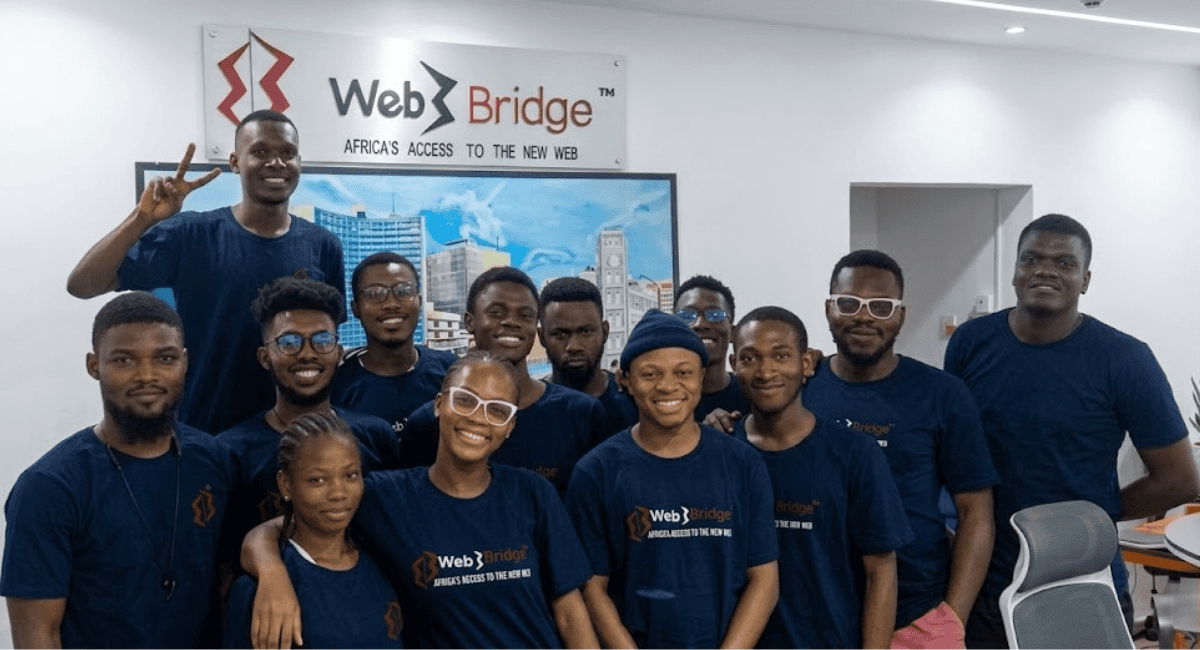
When Web3Bridge, Africa’s premier blockchain academy, earlier today announced a shutdown of its flagship programme, it sent a ripple through the entire continent’s technology ecosystem. For seven years, if you wanted to build in Africa’s blockchain space, all roads led to a single compound in Lagos. The organisation operated as a relentless talent factory, taking in curious novices and churning out engineers equipped to handle complex smart contracts. Now, that assembly line has abruptly halted.
The announcement of the Web3Bridge closure is not merely the end of a beloved educational initiative. It is a stark referendum on the current state of the African Web3 sector. A cryptic sign-off from the founders suggests a Web3Bridge pivot is in the works, but it also asks a glaring question that industry insiders have been whispering about for months. Is simply building a talent pool still a viable business model in a rapidly maturing market?

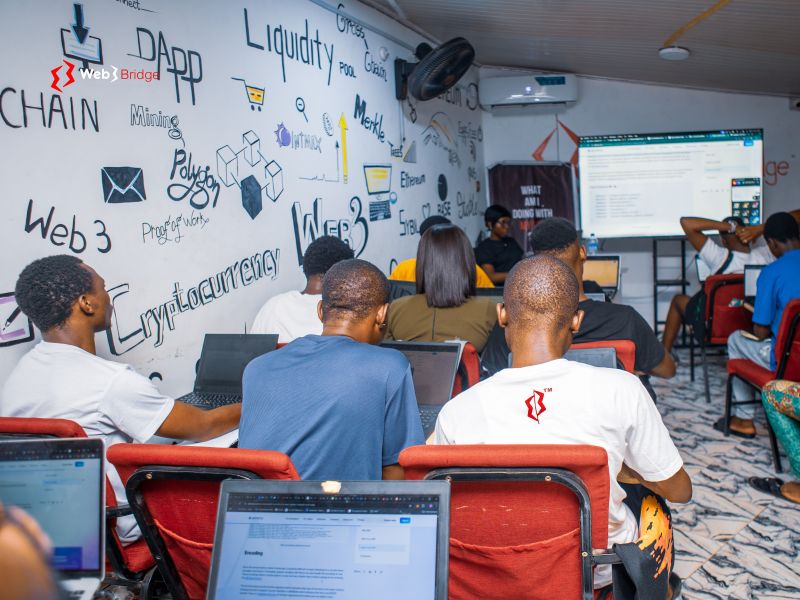
Founded in 2019 by Ayodeji Awosika, the academy started with a radical, highly capital-intensive, and deeply ambitious premise. It redefined Web3 training in Africa by offering a 16-week immersive bootcamp, providing on-site learners with free accommodation, daily meals, and unrestricted internet access. The curriculum was designed to bridge the gap between traditional software engineering and the decentralised web, focusing heavily on blockchain architecture and smart contract auditing. The schedule was notoriously brutal. Cohorts ran six days a week for five hours a day, pushing participants to their absolute intellectual limits.
Operating this physical model in Nigeria was an infrastructural miracle. It served as a shining example in a country plagued by erratic power grids and exorbitant data costs. Awosika once noted that the organisation spent tens of thousands of dollars just on inverter systems and diesel generators to keep the lights on and the code compiling. It relied heavily on global partnerships and protocol grants to sustain its free-to-learn model.
The results justified the gruelling overhead. The academy successfully graduated numerous cohorts and created a formidable army of African blockchain developers. These graduates routinely went on to win international hackathons or secure lucrative engineering roles at top-tier global protocols. For many young Nigerians, a borrowed laptop and an acceptance letter were the only tickets needed to escape crushing youth unemployment and enter the global digital economy. The facility operated as a genuine incubator for social mobility.
Web3Bridge shuts down: What it says about a maturing market
Then came the post on X. The official handle declared that the organisation had “closed up shop,” lamenting the shifting needs of the community. The founders posed a philosophical challenge to the ecosystem, asking if training developers was enough anymore. The message ended with a deliberate cliffhanger, promising followers to “stay tuned” as the entity crosses into its seventh year.
This deliberate tease indicates the organisation is mutating rather than dying. However, the exact nature of this next phase remains entirely unconfirmed. Any rumours regarding a transition into a venture capital fund, a startup accelerator, or a proprietary product studio are currently unverified speculation requiring an inside source before being treated as fact. I reached out to chief executive and tech lead Ayodeji Awosika for clarity on the shutdown and the hinted roadmap, but he had not responded as of the time of publication.
Without Awosika’s direct input, the industry is left to read the tea leaves. Supplying entry-level and mid-tier talent was the primary bottleneck back in 2019. Today, the landscape is radically different. We are seeing a shift away from speculative token projects toward tangible infrastructure, such as stablecoin remittance platforms and cross-border payment gateways.
The ecosystem now demands product-market fit, real-world utility, and founders who can navigate complex global compliance. Capital allocation and regulatory hostility have replaced talent shortages as the biggest hurdles to regional innovation.
Web3Bridge successfully flooded the market with capable builders. Now, those builders need robust local companies to hire them or the venture backing to build their own solutions. The transition of this pioneering academy marks the closing of a foundational chapter. The talent pipeline has been laid down. As Web3Bridge shuts down its original model, the architects must now figure out exactly what these developers are meant to build next.
