

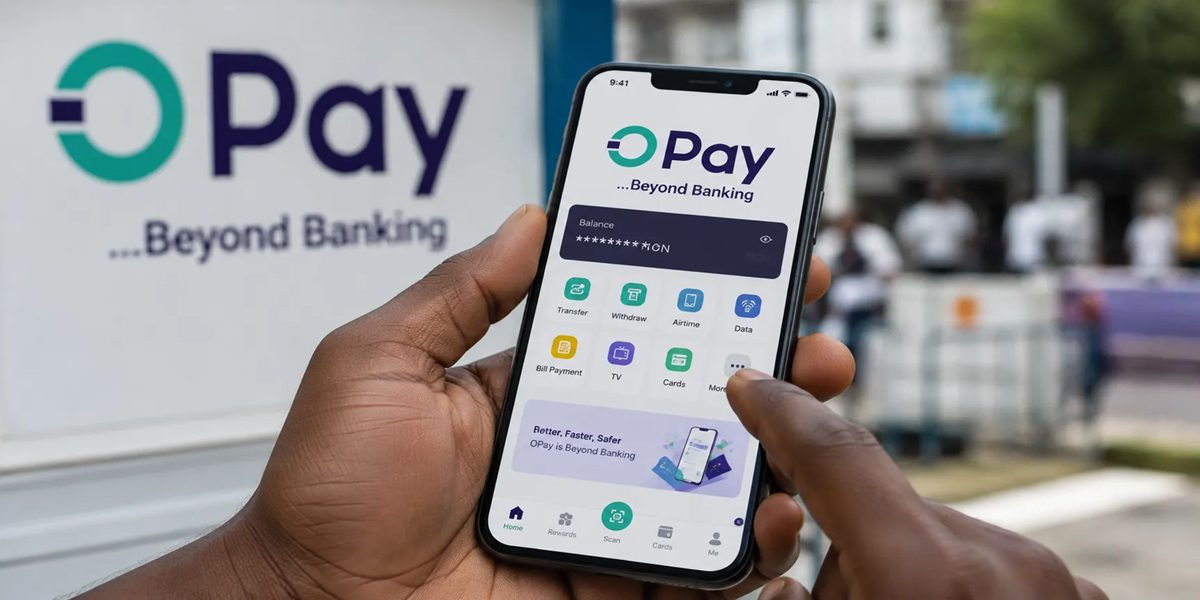
OPay has received authorisation from its board and shareholders to list on the Nigerian Exchange (NGX). This decision, announced in a registration statement submitted to the U.S. Securities and Exchange Commission (SEC) on October 9, 2026, is aimed at providing a new investment avenue for local investors.
This secondary listing plan follows the fintech’s upcoming primary listing on the New York Stock Exchange (NYSE), marking a significant step for the company. In its statement, OPay highlighted that this move will allow Nigerian investors to buy shares directly from the local stock market instead of navigating overseas exchanges.
While this news is promising for local investors eager to get a piece of OPay, the company has yet to announce when the NGX listing will take place. It is important to note that the approval does not mean the fintech’s shares will be available for trading on the NGX just yet.
Similar read: OPay makes $90.9 million profit in six months as it files for a US IPO
This development not only has the potential to bring OPay’s innovative fintech services closer to Nigerian investors but also enriches the local stock market, making it easier for residents to invest in one of the country’s most prominent tech players.
What OPay’s approval means for investors
This is important news for investors eager to tap into Nigeria’s growing digital payments sector, where many leading companies remain privately owned. A local listing would allow local investors, particularly those using Nigerian stockbrokers, to get in on OPay’s future success more easily.
However, OPay has raised a cautionary note. The company’s filing notes that shares traded on the NGX may not be easily exchangeable for those traded in the United States unless certain arrangements are in place. In the U.S., investors often buy American depositary shares (ADSs), which represent shares in foreign companies.

If the shares on the Nigerian exchange aren’t interchangeable with the U.S. securities, it could lead to different prices and trading volumes on each market. This situation could complicate how investors buy or sell OPay shares across the two exchanges. Furthermore, a local listing does not guarantee strong trading activity or better liquidity.
Despite these challenges, OPay’s potential listing could be a game changer for the NGX. It would introduce a key player in the digital payments industry into a market where access to major tech companies has been limited. This move could diversify the investment landscape and give the exchange a stronger foothold in Nigeria’s fintech scene.
For the wider fintech world, OPay’s endeavour could pave the way for other big companies seeking to access both local and international funds. If successful, it might serve as an example for other fintech firms thinking about going public. Yet, it’s important to note that just because OPay is exploring this route doesn’t mean other companies will follow suit, nor does it ensure that the listing will attract significant interest from investors.
Earlier this year, it was reported that OPay was considering a stock market listing in Nigeria, alongside the possibility of an initial public offering (IPO) in the United States. Now, they have officially taken steps toward a secondary listing on the Nigerian Exchange (NGX), having secured approval from their board and shareholders.
While the U.S. IPO is still pending, the move towards a Nigerian listing shows OPay’s commitment to growth and offers potential for future investment.
