

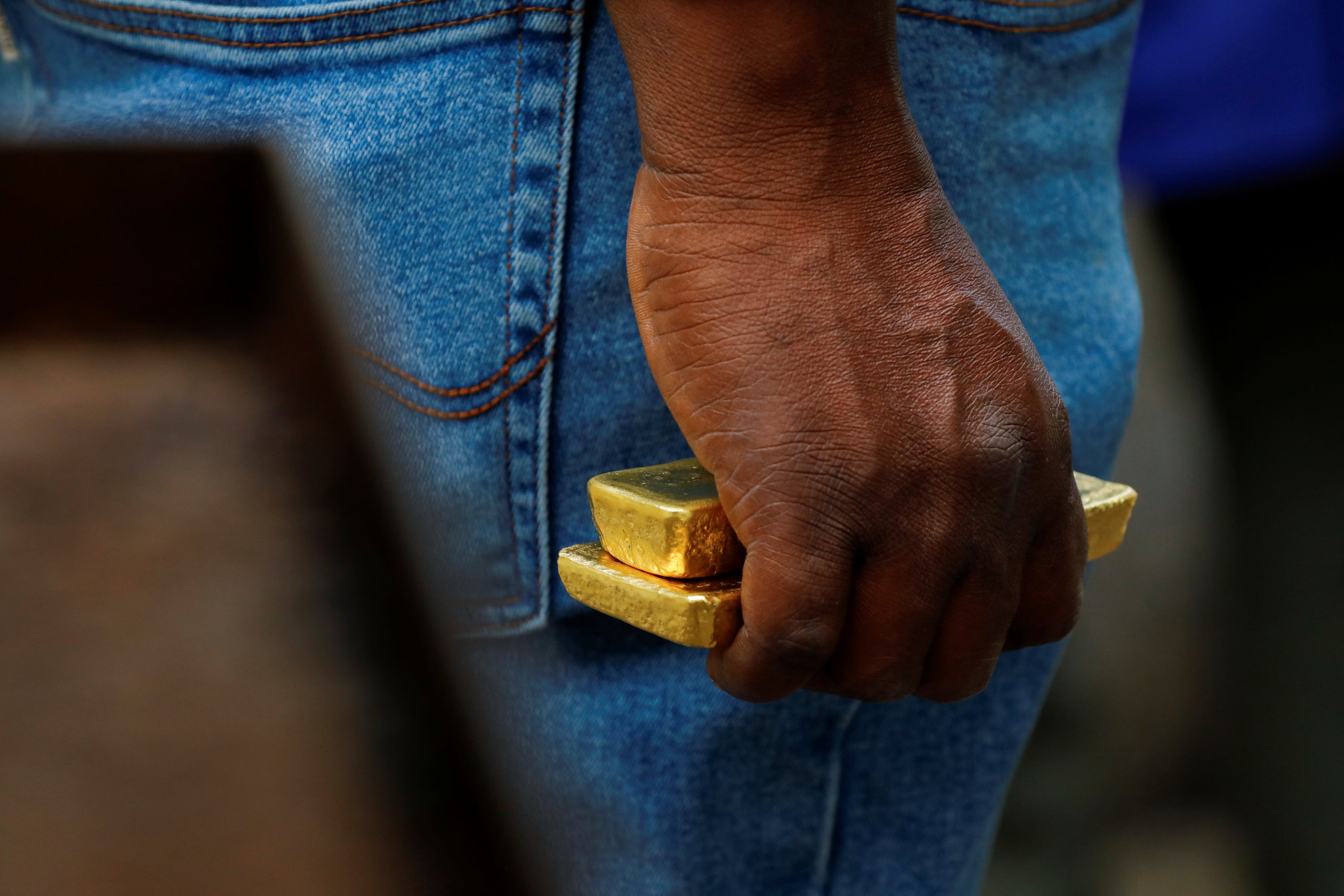
gold squeeze
The state gold buyer has become central to Ghana’s FX strategy. Payment delays are now testing whether it can operate without central-bank backing.
By
The Africa Report
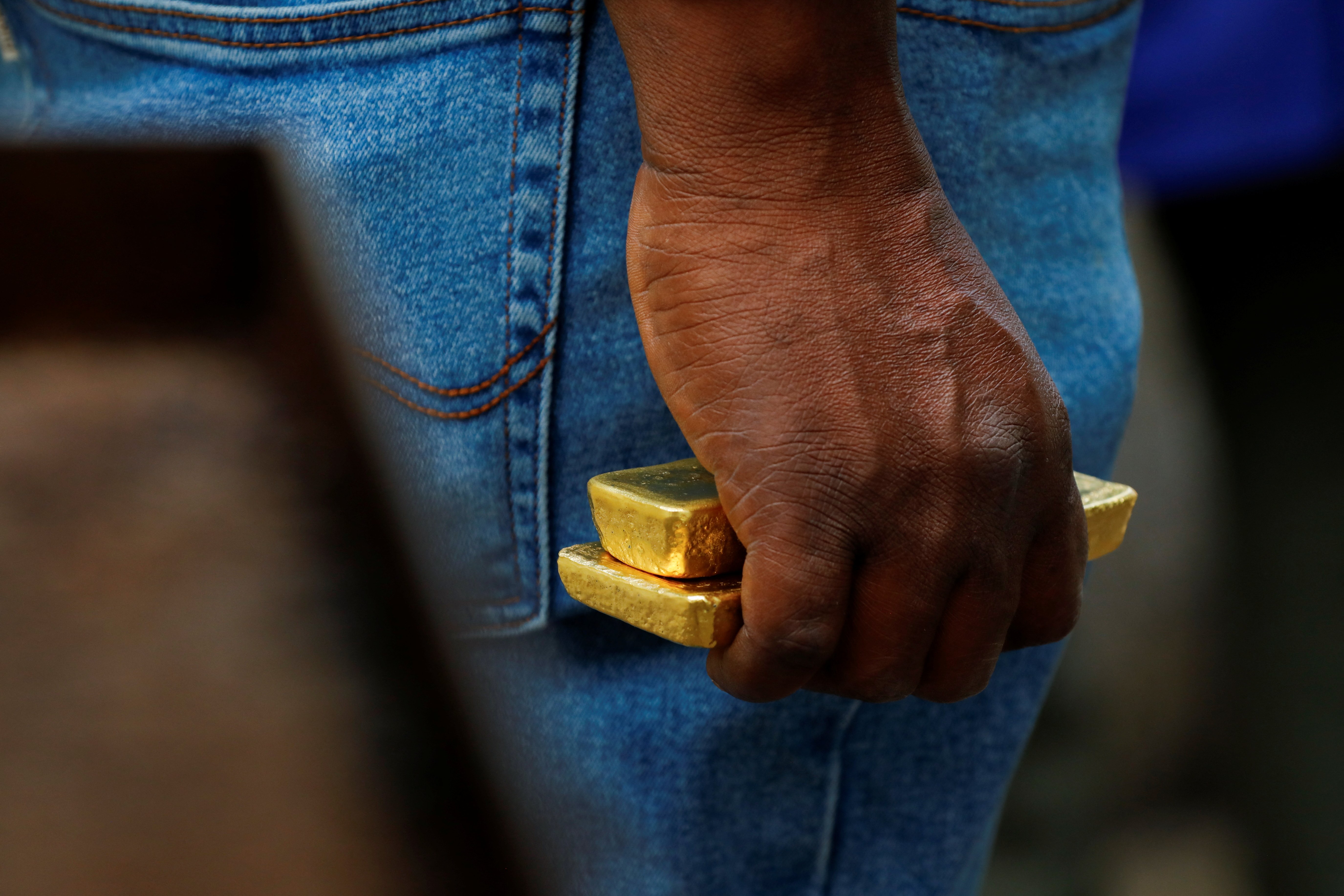
The Ghana Gold Board, or GoldBod, as it’s known locally, has helped move billions of dollars of artisanal production into formal channels. Funding delays are now testing whether Africa’s largest gold producer can keep the machine running without leaning on the central bank.
What has happened?
Gold traders supplying Ghana’s state-run GoldBod say they have gone as long as three weeks without the advance funding used to buy metal from artisanal miners.
Some stopped purchasing; others borrowed to keep trading, according to Reuters. GoldBod denies a funding shortage, saying tighter controls mean money is now released based on buyers’ creditworthiness and risk.
The immediate problem may therefore be a bottleneck rather than a lack of money. But it has raised a bigger question: can Ghana keep its increasingly important gold-buying machine running without shifting the financial risk back onto the central bank?
What exactly is GoldBod?
Created by President John Mahama’s government in 2025, GoldBod sits at the centre of an attempt to formalise Ghana’s sprawling artisanal and small-scale gold trade.
From May 2025, it became the sole legal buyer, assayer, seller and exporter of small-scale gold, shutting foreign traders out of the domestic market – a move also reported by AP at the time.
The Africa Report described GoldBod last year as a signature economic reform in Mahama’s first months back in office. By July 2025, it had generated roughly $5bn of recorded exports from almost 56 tonnes of small-scale gold.
The volumes have kept rising. Reuters reported in July that artisanal output reached a record 104 tonnes in 2025 and could surpass that in 2026.
Why is gold so important to Ghana’s recovery?
GoldBod does more than tidy up an opaque industry. It brings dollars into the formal financial system.
As The Africa Report noted in an interview with Mahama last year, surging gold and cocoa exports helped drive the cedi’s remarkable recovery after Ghana’s 2022 sovereign default. Mahama argued that Ghana should use the commodity windfall to rebuild buffers while prices were favourable. “When the world becomes a bit unpredictable, people head to gold,” he said.
The government says GoldBod has reduced smuggling while bolstering foreign-exchange reserves. It has become part commodity-marketing board, part reserve-building mechanism, and part instrument of exchange-rate policy.
So why did the Bank of Ghana step back?
The old model came at a substantial cost.
Under the Domestic Gold Purchase Programme, the Bank of Ghana supplied funds to purchase gold, which was then used to accumulate reserves and generate foreign exchange.
The IMF says the programme helped Ghana rebuild reserves and ease pressure on the foreign exchange market. However, it also left losses on the central bank’s balance sheet. Artisanal gold transactions generated $214m in losses in the first nine months of 2025, mainly from trading losses, fees and exchange rate movements. The Fund explicitly warned of quasi-fiscal risks.
That matters after Ghana’s debt crisis. The government is still trying to restore fiscal credibility after restructuring tens of billions of dollars of liabilities. Transferring commodity trading losses to the central bank would undermine that effort.
How is GoldBod supposed to finance itself now?
Since March, GoldBod says it has stopped receiving money from the Bank of Ghana for its purchases and has instead raised financing from commercial banks and gold offtakers.
It cited a $75m commercial-bank transaction in early August as evidence that the new model could work without central bank intermediation. However, Reuters reported that fewer than five banks participated and that the arrangement was subsequently paused for consultations with the Bank of Ghana.
Industry executives said banks had been more comfortable when the central bank stood behind the system.
GoldBod has also tightened lending rules, requiring due diligence, credit checks and additional safeguards before funds are disbursed to licensed buyers.
What is the real test now?
Whether Ghana can replace cheap, state-backed liquidity with commercial funding without choking the gold supply chain.
If the delays disappear, GoldBod may have found a more sustainable model – keeping gold and dollars within the formal economy while removing trading risk from the central bank.
If they persist, Ghana faces an awkward trade-off. It can pay more for private finance, accept lower official gold purchases and greater incentives for smuggling, or allow the state to take on more risk again.
That makes the current squeeze more than a dispute over late payments. It is the first serious test of whether one of the pillars of Ghana’s economic recovery can stand on its own feet.
